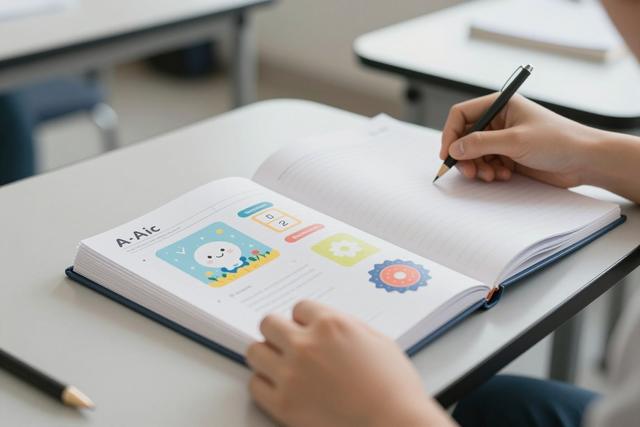
Artificial intelligence‑generated covers are being introduced in school planners across Quebec as the new academic year begins in early September 2026. The covers, created by computer algorithms rather than traditional designers, appear on the front of the notebooks that students will use throughout the school term.
The AI‑produced artwork is being supplied to a range of schools in the province, with the designs incorporated into the official planners distributed to students and families. The technology behind the covers uses data‑driven processes to generate visual elements that differ from conventional illustrations, offering a novel aesthetic for the educational market.
Parents and teachers have voiced skepticism about the shift to algorithmic design. Concerns focus on the suitability of the images for a school environment, the lack of human oversight in the creative process, and the broader implications of relying on artificial intelligence for routine school supplies. While the reaction is not uniformly negative, the unease reflects a cautious stance toward new digital tools in educational contexts.
The deployment of AI‑designed covers aligns with a wider trend of incorporating artificial intelligence into product development, although its application to school planners marks a relatively early adoption in the education sector. Stakeholders are observing how the novelty of the designs will be received over the course of the school year and whether the approach will expand to other educational materials.
As the school year progresses, officials responsible for the planners will monitor feedback from families and educators. The outcome may influence future decisions about the role of artificial intelligence in creating everyday items used by students throughout Quebec.