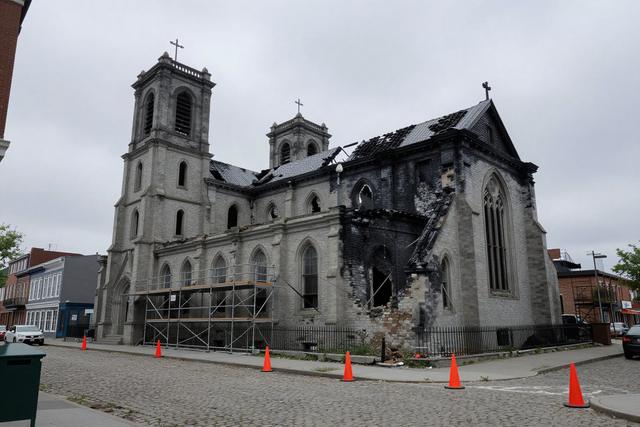
Religious authorities have ordered the demolition of the ruined remains of a century‑old church in Southwest Montreal, Quebec, after a fire during the winter of 2025‑2026 left the structure unsafe. The decision follows an assessment that the building now poses a significant risk of collapse.
The church, erected roughly one hundred years ago, has long been a landmark in the neighbourhood. Its historic façade has stood as a visual reminder of the area's cultural heritage, while the interior and supporting walls have suffered extensive damage over the decades.
A fire that broke out in the winter of 2025‑2026 weakened the already aged structure. The blaze consumed much of the interior and compromised the integrity of the walls, leaving only the exterior façade potentially salvageable. Engineers and safety officials concluded that the remaining walls could no longer bear weight and might fail without warning.
Given the imminent danger, the religious authorities responsible for the property determined that demolition is the only viable option to protect public safety. The plan calls for the careful removal of the unstable sections while preserving the façade, which may be incorporated into future projects or restored as a standalone historic element.
The demolition is scheduled to begin later this year, pending the necessary permits and coordination with municipal officials. The removal process will be conducted in accordance with standard safety protocols to ensure that the surrounding streets and residents are not exposed to hazards. While the loss of the interior space marks the end of an era for the congregation that once gathered there, officials emphasized that the preservation of the façade offers a tangible link to the church’s past.
The situation underscores the challenges faced by historic structures that have endured more than a century of use, especially when unexpected events such as fires exacerbate the wear of aging materials. The community will watch the demolition closely, anticipating how the remaining façade might be integrated into the neighbourhood’s evolving landscape.