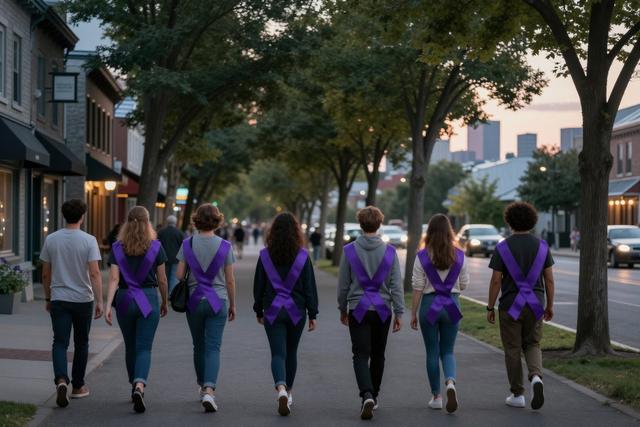
A community walk took place Sunday, September 20, 2026, in Dollard‑des‑Ormeaux, Quebec, drawing hundreds of participants who gathered to highlight polycystic kidney disease and to support efforts aimed at ending the hereditary condition. The event was organized by Luisa Miniaci‑Di Leo, whose own experience with the disease has made her a vocal advocate.
Miniaci‑Di Leo, who underwent a combined liver and kidney transplant in 2024, used the walk to bring public attention to the impact of polycystic kidney disease on families. The disorder, which can lead to organ failure, has claimed the lives of several of her relatives, underscoring the personal stakes behind the community’s involvement.
Organizers framed the walk as both a fundraiser and an educational platform, encouraging attendees to learn about the genetic nature of the disease and the importance of early detection. While the specific amount raised was not disclosed, the presence of a large crowd signaled strong local support for research and patient services.
The choice of Dollard‑des‑Ormeaux as the venue reflected the town’s history of community health initiatives. Participants followed a route through residential streets, pausing at key points where information about polycystic kidney disease was distributed. The event also served to connect families affected by the condition, fostering a network of shared experiences and resources.
Miniaci‑Di Leo’s personal journey, marked by a double organ transplant two years earlier, illustrates the seriousness of the disease and the potential for medical intervention. Her involvement in the walk aims to translate that personal outcome into broader public awareness, hoping to inspire both policy attention and increased funding for research.
By gathering a sizable crowd and focusing on education, the walk contributed to a growing movement that seeks to reduce the burden of polycystic kidney disease across Canada. Organizers plan to hold similar events in future years, building on the momentum generated in Dollard‑des‑Ormeaux.
The community’s response highlights a collective desire to confront a hereditary illness that has touched many lives, with the walk serving as a tangible expression of that resolve.