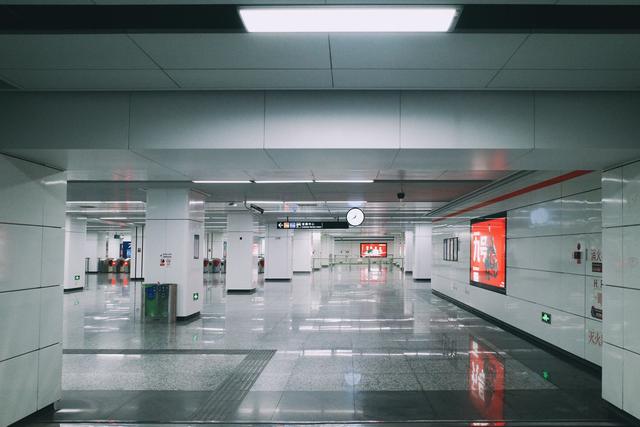
On September 3, 2026, commuters using Montreal’s Réseau express métropolitain (REM) gathered in long queues at the Édouard‑Montpetit station as the back‑to‑school rush began. The bottleneck occurred because the station provides only elevators to connect the platforms with the surface, leaving no escalators or stairs for passengers to use.
Édouard‑Montpetit lies approximately 70 metres beneath the city, making it one of Canada’s deepest rail stations. Access between the underground platforms and street level is handled by five elevators. During the peak period, each elevator was required to accommodate a high volume of riders, resulting in wait times that extended the overall commute for many travelers.
The absence of alternative vertical circulation options meant that all passengers were forced to line up for the elevators. As the morning rush intensified, the queues grew, and commuters reported congestion at the elevator banks. The situation was especially noticeable among students and staff heading to schools and workplaces, who formed a large portion of the back‑to‑school traffic.
REM officials have confirmed that the station’s design, which relies exclusively on elevators, is consistent with its deep‑level construction. The five lifts were installed to meet safety and accessibility standards, but no escalators or stairways were incorporated during the station’s build. The current conditions highlight the challenges of managing passenger flow in a deep‑level environment that lacks multiple access routes.
Transportation planners note that stations of comparable depth often include a mix of elevators, escalators, and stairs to disperse traffic. In the case of Édouard‑Montpetit, the singular reliance on elevators has led to observable crowding during peak periods, prompting discussions about possible operational adjustments to mitigate future delays.