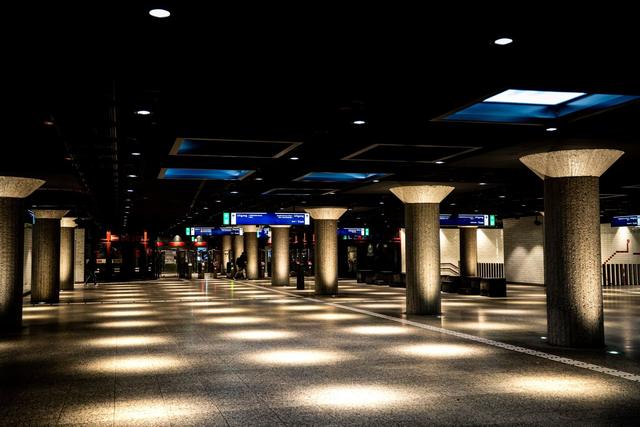
On September 3, 2026, passengers traveling on the Réseau express métropolitain gathered in extended lines at the Édouard‑Montpetit station as they waited for elevator service. The buildup occurred during the back‑to‑school rush, a period when student travel volumes increase sharply.
The station sits 70 metres below the surface, placing it among the deepest rail stations in Canada. Access between the platforms and street level is provided exclusively by five elevators; no escalators or stairways are available. This design means that all commuters must rely on the elevator system to reach the surface.
During the morning peak, the absence of alternative vertical circulation options resulted in noticeable crowding at the elevator banks. The queues stretched along the platform area as passengers waited for the limited number of lifts to become available.
Officials from the REM network noted that the station’s configuration, while functional for regular traffic, becomes strained when demand spikes, such as during the return to school period. The reliance on a small fleet of elevators in a deep underground setting is the primary factor behind the observed congestion.
The situation at Édouard‑Montpetit reflects broader challenges faced by deep urban stations that lack multiple access methods. As the back‑to‑school rush continues, commuters can expect similar waiting times until the elevator demand eases later in the day.