On Sunday, September 13, 2026, construction activities and the Grand Prix cycliste together generated a series of disruptions throughout Greater Montreal, impacting both vehicular traffic and designated cycling routes.
The timing of the Grand Prix cycliste coincided with ongoing construction projects across the metropolitan area, leading to overlapping closures and detours. As a result, commuters encountered blocked streets, altered traffic patterns, and limited access to cycling pathways that are normally part of the city’s active transportation network.
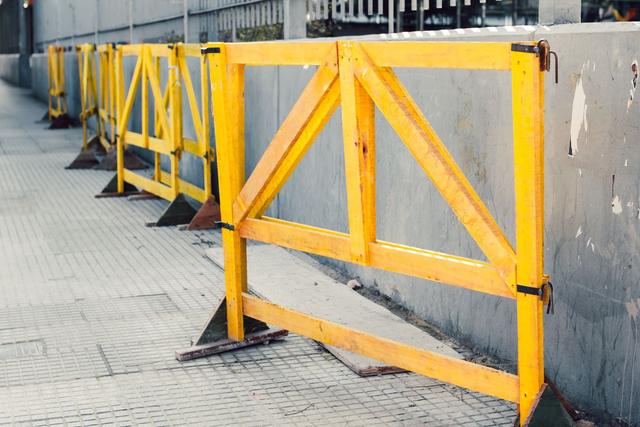
Authorities reported that the combined effect of the two events forced drivers to seek alternative routes and cyclists to navigate around temporary barriers. The disruptions were observed across multiple districts within the Greater Montreal region, reflecting the broad scope of both the construction work and the race.
Event organizers for the Grand Prix cycliste noted that the race itself required the closure of certain roads to ensure safety for participants and spectators. Simultaneously, construction crews continued their scheduled work, which also necessitated lane reductions and temporary roadblocks. The overlap of these activities created a compounded impact on daily travel.
Local officials emphasized that the disruptions, while inconvenient, were part of coordinated efforts to improve infrastructure and promote major sporting events. They reminded residents and visitors to plan ahead, follow posted signage, and allow extra travel time when moving through affected areas.
The situation underscores how large‑scale events and essential construction can intersect, producing temporary challenges for the public. Residents were encouraged to stay informed through official channels for updates on road conditions and any further changes to cycling routes as the day progressed.
Overall, the September 13 disruptions illustrate the logistical complexities that arise when major construction projects and high‑profile sporting events occur simultaneously in a densely populated urban region.