On Sunday, September 13, 2026, commuters across Greater Montreal encountered a series of traffic and route disruptions caused by simultaneous construction projects and the Grand Prix cycliste. The combined effect of the two activities resulted in altered travel patterns for motorists, public transit users and cyclists throughout the region.
The cycling Grand Prix, a major sporting event, required the temporary closure of several streets and the rerouting of regular traffic. Organisers implemented a network of detours to accommodate race participants and spectators, leading to reduced lane availability on key corridors. The event’s schedule coincided with peak travel times, intensifying the impact on everyday commuters.
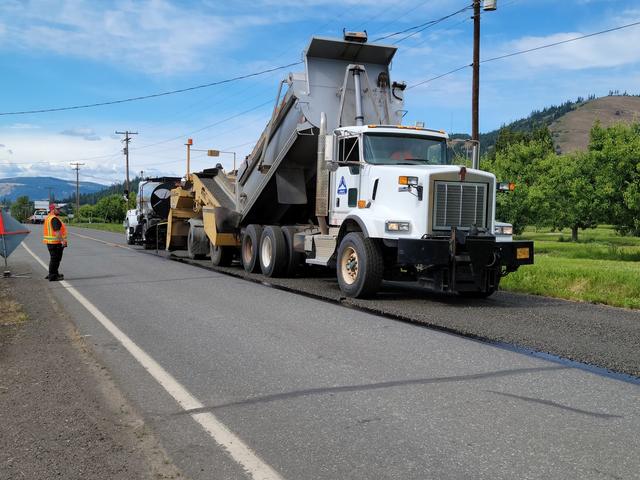
At the same time, Montreal continues to undergo a range of construction works aimed at infrastructure upgrades and urban development. These projects, spread across various neighbourhoods, involve lane reductions, temporary barriers and the installation of equipment that further limited road capacity. The overlapping timelines of the construction activities and the Grand Prix meant that many drivers faced back-to-back disruptions, with some routes experiencing multiple closures in a single day.
Authorities advised residents and visitors to plan for extended travel times and to consult official traffic updates before departing. Alternative routes were made available, though the high volume of vehicles seeking detours contributed to congestion on secondary streets. Public transit operators adjusted service patterns where possible to mitigate the impact on riders. The convergence of construction and the cycling race highlighted the challenges of managing large‑scale events in a city already undergoing extensive infrastructure work.
Commuters were encouraged to remain patient and to stay informed through real‑time traffic feeds, as the disruptions were expected to persist for the remainder of the day.