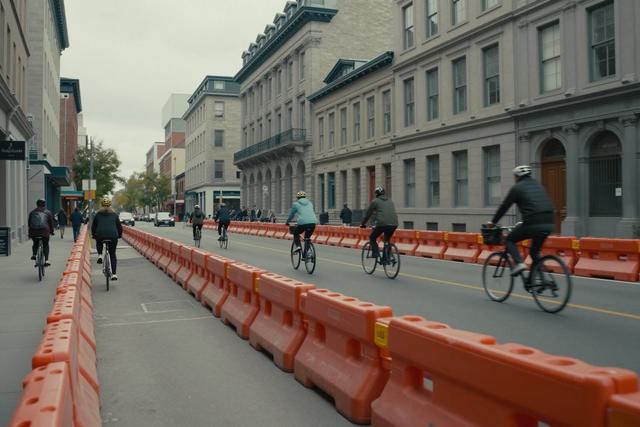
On Sunday, September 13, 2026, residents and commuters throughout Greater Montreal encountered a series of traffic and route disruptions as ongoing construction work intersected with the city’s Grand Prix cycliste. The combined impact of the two activities led to temporary road closures, detours and altered travel patterns across multiple neighbourhoods.
City officials confirmed that the cycling event, which draws participants and spectators from across the province, required the closure of several key streets to accommodate race routes and safety zones. At the same time, municipal construction crews continued work on a number of infrastructure projects that are part of the city’s broader plan to upgrade roads, transit corridors and public spaces. The overlap of these two large‑scale operations forced authorities to implement coordinated traffic management measures.
Motorists were advised to seek alternative routes and to allow extra travel time as detours were posted on major arteries and secondary streets. Public transit services adjusted schedules where possible, and signage was placed at affected intersections to guide drivers and cyclists alike. Emergency responders were briefed on the changes to ensure continued access to all areas.
The situation reflects a recurring pattern in Montreal, where the city regularly hosts major cycling competitions while simultaneously pursuing extensive infrastructure upgrades. Past events have similarly required temporary disruptions, but the current convergence of construction and the Grand Prix cycliste has amplified the scope of road closures.
Authorities emphasized that the disruptions are temporary and part of a longer‑term effort to improve transportation networks and support active‑mobility events. Residents were encouraged to stay informed through official channels for real‑time updates on road conditions and recommended detours. The city expects construction activities to continue beyond the race weekend, with a phased reopening of affected streets as work progresses.
Overall, the coordinated response aims to balance the city’s commitment to both infrastructure development and the promotion of high‑profile sporting events, minimizing inconvenience while advancing long‑term mobility goals.