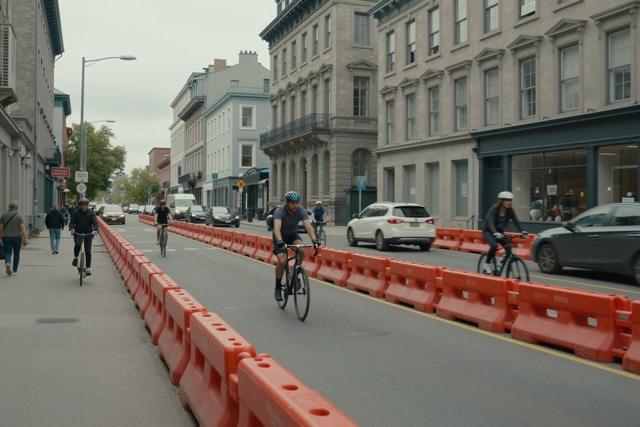
On Sunday, September 13, 2026, commuters throughout Greater Montreal encountered a series of traffic interruptions caused by overlapping road construction projects and the Grand Prix cycliste cycling competition. The convergence of these two large‑scale activities generated multiple route changes and delays across the metropolitan area, prompting authorities to issue travel advisories for drivers and cyclists alike.
The Grand Prix cycliste, a major cycling event scheduled for the same day, required the temporary closure of several streets and the redirection of regular traffic flows. Simultaneously, ongoing construction work on various municipal roadways added further constraints, reducing the number of open lanes and extending travel times on affected corridors. Together, the race and the construction work produced a notable impact on daily commuting patterns, public transportation routes, and delivery services.
Local officials confirmed that the disruptions were expected, given the timing of the race and the pre‑planned roadwork. They urged residents to plan alternative routes, allow extra travel time, and stay informed through real‑time traffic updates. Public transit operators adjusted some schedules to accommodate the altered road conditions, while emergency services coordinated with event organizers to ensure rapid response capabilities despite the constrained roadway network.
The overlapping events underscore the challenges of managing large‑scale public gatherings alongside essential infrastructure upgrades in a densely populated region. While the Grand Prix cycliste brings economic and cultural benefits to Montreal, its presence during a period of active construction amplified the need for coordinated traffic management. Residents were reminded that the disruptions were temporary and tied to the specific timing of both the race and the construction phases.
As the day progressed, traffic flow gradually improved as construction crews completed scheduled tasks and the cycling race moved through its designated course. Authorities continue to monitor conditions and will provide further guidance if additional adjustments become necessary.
The situation highlights the importance of proactive communication and flexible routing strategies when multiple large‑scale activities intersect within an urban environment.