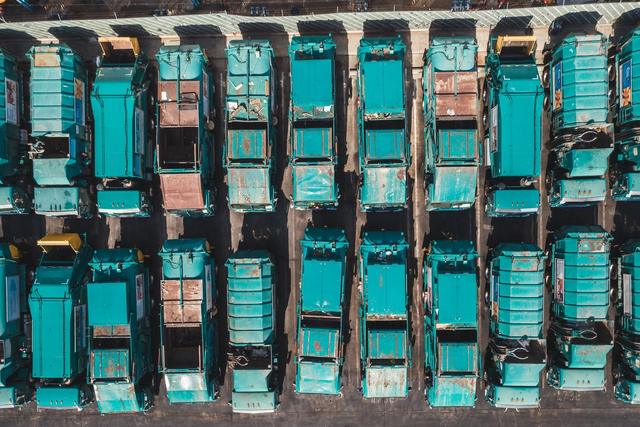
Shein opened a temporary retail space in Montreal on August 28, 2026, and the launch was met with a direct protest from the environmental organization Équiterre. On the opening day, Équiterre positioned a garbage truck directly outside the pop‑up store, using the vehicle as a visual statement against the disposable nature of fast‑fashion merchandise offered by the Chinese online retailer.
The presence of the garbage truck was intended to draw public attention to the volume of waste generated by rapid‑turnover clothing sales. Representatives from Équiterre and Recyc‑Québec coordinated the demonstration, emphasizing that the accumulation of discarded garments is a growing problem in the province. The protest did not involve any verbal statements or written signage beyond the symbolic placement of the waste‑collection vehicle.
The timing of the demonstration aligns with findings from a 2023 report that documented a sharp increase in clothing waste across Quebec. The study indicated that the amount of discarded apparel had more than doubled over the preceding ten years, highlighting a significant escalation in the environmental footprint of the fashion sector. By staging the protest at the moment of Shein's market entry, the groups sought to link the retailer's business model with the broader trend of rising textile waste.
Shein's pop‑up store represents a physical extension of its online platform, offering shoppers the opportunity to experience its low‑cost, quickly produced garments in a brick‑and‑mortar setting. The protest underscores the tension between the retailer's rapid growth strategy and the environmental concerns raised by local advocacy groups. While the demonstration did not disrupt store operations, the visual impact of a garbage truck stationed at the entrance served as a reminder of the waste implications associated with fast‑fashion consumption.
The event adds to ongoing discussions in Montreal about sustainable consumption and the role of retailers in mitigating waste. It also reflects the continued activity of environmental NGOs in drawing public attention to the environmental costs of fashion trends that prioritize speed and low price over durability and recyclability.