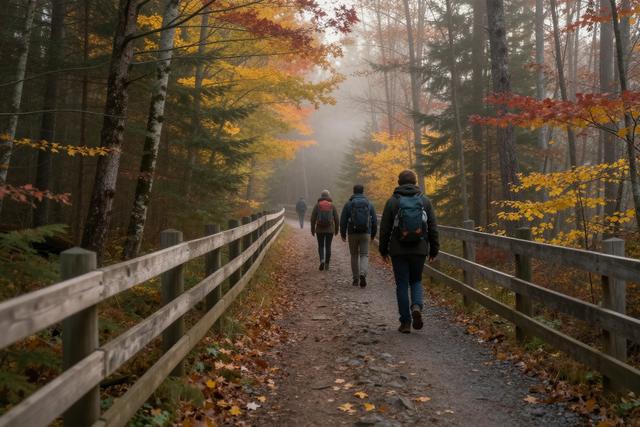
On Sunday, August 30, 2026, the organization Réseau plein air Québec formally requested a comprehensive legal overhaul aimed at limiting civil liability for outdoor trails that cross privately owned land in Quebec. The group argues that current legal frameworks expose trail operators to the risk of civil lawsuits, discouraging the development of recreational pathways on private property.
Réseau plein air Québec highlights that the existing liability regime creates uncertainty for landowners and trail managers alike. When a trail is situated on private land, any accident or injury that occurs can potentially lead to civil action against the party responsible for maintaining the trail. This risk, according to the organization, acts as a deterrent to expanding trail networks that could otherwise enhance outdoor recreation opportunities across the province.
The proposed reform would adjust the legal responsibilities of trail operators, narrowing the circumstances under which they could be held liable for incidents on privately owned sections of a trail. By reducing exposure to civil claims, the organization believes that more landowners would be willing to permit trail development, and existing trail projects could proceed with greater confidence.
Development of outdoor trails on private property has been growing in Quebec, reflecting broader interest in active tourism and nature-based activities. However, the potential for civil litigation has remained a significant obstacle. Réseau plein air Québec points out that without clearer liability protections, the expansion of these trails may stall, limiting public access to natural areas and hindering community health benefits associated with outdoor exercise.
The call for legislative change comes as part of an ongoing dialogue about balancing private property rights with public recreational interests. Réseau plein air Québec urges policymakers to consider adjustments that protect trail operators from undue legal exposure while maintaining reasonable safeguards for users. The organization hopes that a revised legal framework will encourage more collaborative efforts between landowners and trail developers, fostering a more extensive and resilient network of outdoor pathways throughout Quebec.