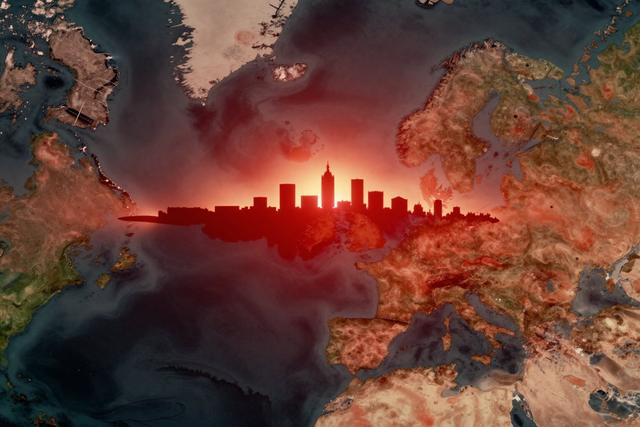
The World Meteorological Organization has labeled the next El Niño as exceptional, and its forecasts point to a milder, less predictable winter for Quebec in 2026. Meteorologists warn that the atmospheric shift associated with the phenomenon will likely raise temperatures across the province and increase the volatility of weather patterns during the coming cold season.
The warning follows the 2023 El Niño, which produced record heat in the region and caused frequent freeze‑thaw cycles that disrupted daily life and infrastructure. Those 2023 impacts are being used as a reference point for the 2026 outlook, suggesting that the upcoming event could repeat or amplify similar anomalies.
El Niño typically alters the flow of tropical Pacific waters, which in turn modifies atmospheric circulation far beyond the Pacific basin. In Quebec, the resulting changes are expected to suppress the usual cold air outbreaks that dominate winter, leading to higher-than-average temperatures and a greater likelihood of mixed precipitation events. The World Meteorological Organization’s assessment emphasizes that the strength of the current oceanic warming is unprecedented in recent decades, reinforcing the expectation of an “exceptional” impact.
Local meteorologists have highlighted the potential for erratic weather, noting that the combination of milder air and lingering cold pockets could produce rapid shifts between rain, sleet, and snow. Such fluctuations could affect transportation, energy demand, and agricultural planning throughout the province. While the exact timing of temperature spikes remains uncertain, the consensus among experts is that the winter will be less predictable than typical Quebec winters.
Authorities are monitoring the situation closely, preparing for the possibility of unusual weather events and advising residents to stay informed about evolving forecasts. The 2026 winter will be the first major test of the new El Niño classification since the 2023 episode, and its outcomes will likely shape future preparedness strategies in the region.