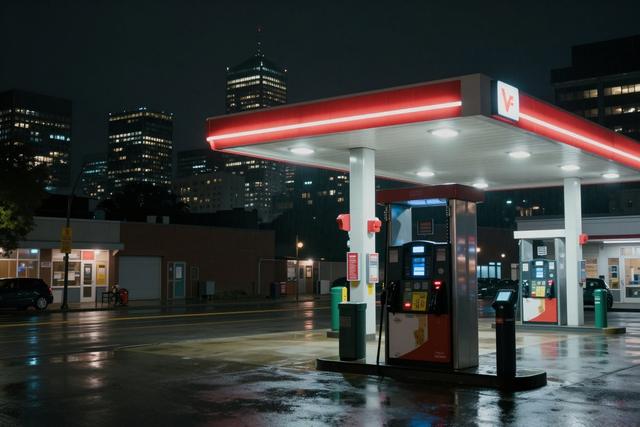
Gasoline prices in Quebec have surged, prompting a closer look at the elements that make up the price motorists pay at the pump. The sharp rise has drawn attention to how global markets, domestic policies and logistical costs combine to set the final figure displayed on Quebec signage.
The most visible component of the price is the cost of crude oil, which is set on international exchanges and fluctuates with supply‑and‑demand dynamics worldwide. When crude prices move higher, refiners must purchase the raw material at a greater expense, a cost that inevitably passes through to the consumer.
Beyond crude, the refining process adds another layer of expense. Refineries in the province and neighboring regions invest in technology, maintenance and compliance with environmental standards, all of which affect the price of the finished fuel. Once the gasoline leaves the refinery, it enters a distribution network that includes pipelines, trucks and storage facilities. The logistics of moving fuel across distances and ensuring steady supply contribute further to the overall cost.
Taxes represent a substantial portion of the pump price in Quebec. Federal excise duties, provincial fuel taxes and the carbon levy imposed by the government are added to the wholesale price before the fuel reaches retail stations. These levies are designed to fund infrastructure and environmental initiatives, but they also raise the amount consumers pay per litre.
Marketing and retail margins complete the price structure. Gas stations cover operating costs such as rent, staff wages, equipment and the profit margin they set to remain viable in a competitive market. Seasonal factors, such as higher demand in summer travel periods, can also influence pricing strategies.
By breaking down each of these components—crude oil, refining, distribution, taxes and retail margins—analysts aim to clarify why Quebec motorists are facing higher gasoline costs. Understanding the layered nature of the price helps explain the recent surge without attributing it to a single cause.
The detailed analysis underscores that gasoline pricing is a complex formula, reflecting both global economic forces and local fiscal policies, which together drive the current high price levels in Quebec.