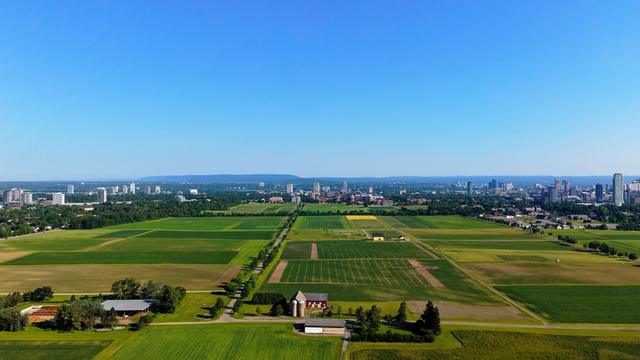
A proposed segment of the Alto high‑speed train line is set to cut directly across a farm in Rigaud, Quebec, separating the property and blocking its primary road access, a situation the farm’s owner says would render the land unusable for agriculture. The farmer’s concerns are echoed by the Quebec farmers federation, which argues that the rail corridor threatens the viability of the operation.
The rail alignment, part of a broader plan to halve travel time between Toronto and Quebec City, would run through the middle of the farm, effectively dividing it into two parcels. According to the farmer, the loss of the existing road that links the two halves would make it impossible to move equipment, livestock and harvests across the property, thereby compromising the farm’s productivity.
The Alto project, promoted as a major transportation upgrade for the region, aims to provide faster passenger service across the province and into neighboring Ontario. While proponents highlight the potential economic and environmental benefits of reduced car travel, agricultural groups contend that the route would consume valuable farmland and disrupt established farming operations.
The Quebec farmers federation has raised objections to the current route, citing the broader impact on agricultural land throughout the province. The federation’s statements emphasize that the loss of arable land and the fragmentation of existing farms could have long‑term consequences for food production and rural livelihoods.
Local officials have not yet issued a definitive response to the farmer’s complaint, but the issue adds to a growing list of concerns from rural communities about the rail project’s alignment. The timing of the dispute coincides with final planning stages for the Alto line, as authorities weigh the benefits of reduced travel times against the cost to agricultural stakeholders.
The farmer and the federation plan to seek revisions to the rail route that would preserve farm continuity and maintain road access, urging planners to consider alternative alignments that avoid dividing private agricultural property.