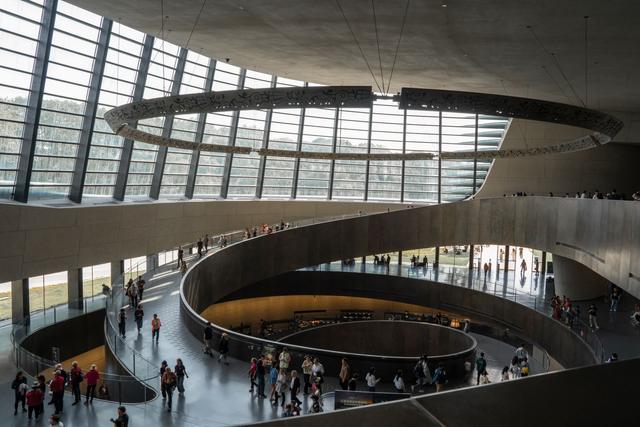
The Quebec City Fine Arts Museum opened its doors to a historic collection of Habsburg family gemstones in 2026, marking the first public display of the jewels since they were hidden after Zita of Bourbon-Parma escaped Nazi‑occupied Austria in 1940.
Zita, a member of the Bourbon‑Parma line, fled her homeland with the imperial jewels as the Nazi regime tightened its grip. The precious stones were concealed for decades, remaining out of sight throughout the war and the post‑war years. Their whereabouts stayed unknown until 2025, when researchers uncovered the cache and arranged for its transfer to the museum.
The exhibition now allows visitors to view the gemstones that once adorned the Habsburg court. Curators at the Quebec City Fine Arts Museum have arranged the pieces within a secure setting, emphasizing their historical journey from the Austrian capital to a Canadian museum. The display highlights the resilience of cultural heritage that survived wartime displacement and long‑term concealment.
The museum’s decision to present the jewels follows a careful authentication process that confirmed their provenance to the Habsburg dynasty. The artifacts, kept safe for 85 years, offer a tangible link to European aristocratic history and to the personal story of Zita’s flight in 1940. Their public unveiling in 2026 coincides with growing interest in the fate of art and valuables displaced during World War II.
Visitors to Quebec City can now experience a rare glimpse of the imperial jewels that survived both conflict and secrecy. The exhibition is expected to draw both local audiences and international scholars interested in the intersection of European royal heritage and wartime preservation efforts.
The museum has announced that the collection will remain on view for the remainder of the year, providing an opportunity for the public to engage with a piece of history that resurfaced after more than eight decades of obscurity.