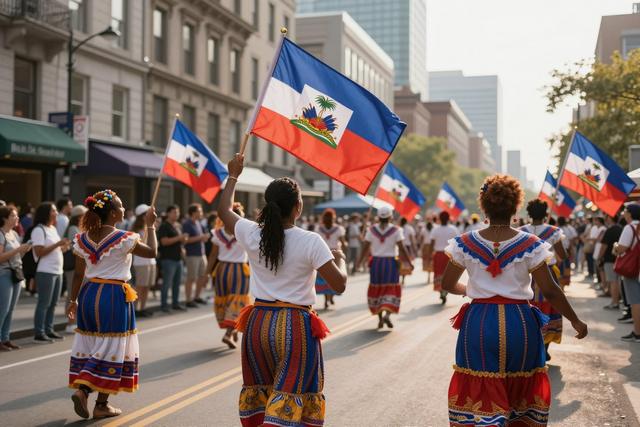
The Haïti en Folie Festival in Montreal marks its 20th anniversary on July 24, 2026, reaffirming its status as the largest Haitian cultural celebration held outside Haiti. Founded by actress, director and cultural activist Fabienne Colas, the event has run every summer for two decades, drawing audiences eager to experience the breadth of Haitian artistic expression.
Since its inception, the festival has been built around a core programme of live music, traditional and contemporary dance, and visual art exhibitions that highlight the island’s rich cultural heritage. Each year, performers and creators from Haiti and the diaspora converge on Montreal’s stages and galleries, offering a dynamic showcase that reflects both historic traditions and modern innovations.
Colas, who launched the festival to provide a platform for Haitian voices in Canada, continues to oversee its programming. Her vision has kept the event focused on authenticity and community engagement, ensuring that every edition presents a diverse array of musical styles—from kompa and rara to hip‑hop and jazz—and dance forms that range from folkloric rituals to avant‑garde choreography. Visual artists are likewise featured in pop‑up installations and curated exhibitions throughout the city.
The 20‑year milestone underscores the festival’s longevity in a competitive cultural calendar and its role in promoting Haitian culture to a broader Canadian audience. Organisers note that the event has consistently attracted families, students, and cultural enthusiasts, contributing to Montreal’s reputation as a multicultural hub.
Looking ahead, the festival’s organisers intend to maintain the same community‑focused approach that has defined its first two decades. While the program for the current anniversary edition has not been detailed beyond the standard lineup of music, dance and art, the celebration is expected to continue the tradition of vibrant performances and exhibitions that have become synonymous with Haïti en Folie.
The anniversary serves as a reminder of Fabienne Colas’s enduring commitment to cultural exchange and the festival’s importance as a bridge between Haitian creators and audiences in Quebec and beyond.