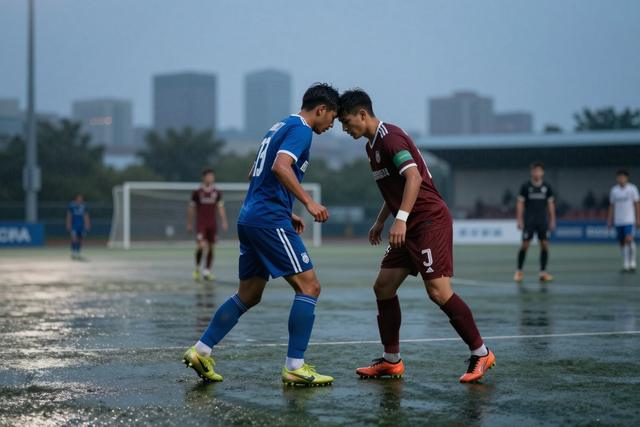
A head‑to‑head collision during a CF Montréal home match on July 27, 2026, has brought the issue of soccer‑related concussions back into the public eye. The incident occurred on the field in Montreal, Quebec, when two players made contact with each other’s heads, prompting immediate medical attention and a brief pause in play.
Team officials and medical staff responded quickly, removing the involved player for evaluation. While the match resumed, the event sparked a wave of commentary among coaches, health professionals, and league administrators, all emphasizing the need to examine concussion protocols more closely. The collision has been cited as a reminder that head injuries can arise even in routine play, reinforcing concerns that have been growing after a series of high‑profile incidents in other leagues and international competitions.
In recent years, soccer has faced increasing scrutiny over the frequency and severity of head impacts. Several well‑known cases involving professional athletes have highlighted the potential for long‑term neurological effects, leading to calls for stricter monitoring and clearer return‑to‑play guidelines. The CF Montréal incident adds to that narrative, prompting local sports authorities to reaffirm their commitment to player safety and to consider additional measures such as enhanced sideline assessments and education programs for coaches and players.
The conversation surrounding the July 27 collision aligns with broader debates taking place across North America and Europe, where governing bodies are reviewing existing concussion policies. While no official rule changes have been announced following the Montreal game, the episode underscores the ongoing dialogue about how best to protect athletes from head injuries while preserving the integrity of the sport.
As the season progresses, CF Montréal and other clubs are expected to monitor the situation closely, with medical teams tracking any developments related to the injured player’s health. The renewed focus on concussion risk serves as a reminder that the sport continues to grapple with balancing competitive play and the well‑being of its participants.