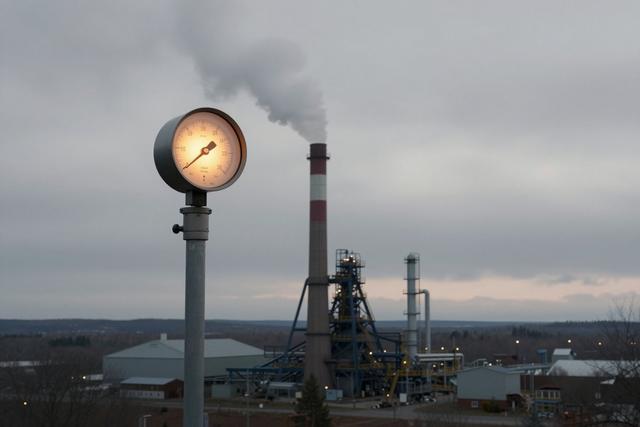
Local health professionals are urging the newly elected Quebec administration to retain the 2029 deadline for the Horne Smelter to meet its arsenic emissions target. The target, set at 15 nanograms per cubic metre, was previously postponed by the outgoing government to give the facility additional time to lower its output.
The Horne Smelter, located in the mining town of Rouyn‑Noranda, has been subject to regulatory timelines aimed at reducing airborne arsenic. The former provincial cabinet delayed the compliance date, citing the need for further technical adjustments at the plant. Health experts say the original schedule remains essential for protecting residents from the known health risks associated with arsenic exposure.
Representatives of the health community highlighted that the 2029 benchmark aligns with scientific assessments of safe exposure levels. They cautioned that extending the deadline could prolong community exposure and increase the likelihood of long‑term health effects. The experts did not provide new data but reiterated the importance of adhering to the 15 ng/m³ limit as a public‑health safeguard.
The incoming government now faces a decision on whether to maintain the timeline set by its predecessor or to grant another extension. Officials have not yet issued a statement on the matter. The health community’s request comes as part of a broader review of industrial emissions standards across the province.
If the 2029 deadline is upheld, the Horne Smelter will need to implement additional controls within the next few years to achieve the stipulated arsenic concentration. The outcome will affect both environmental monitoring practices and the health outlook for the population of Rouyn‑Noranda and surrounding areas.