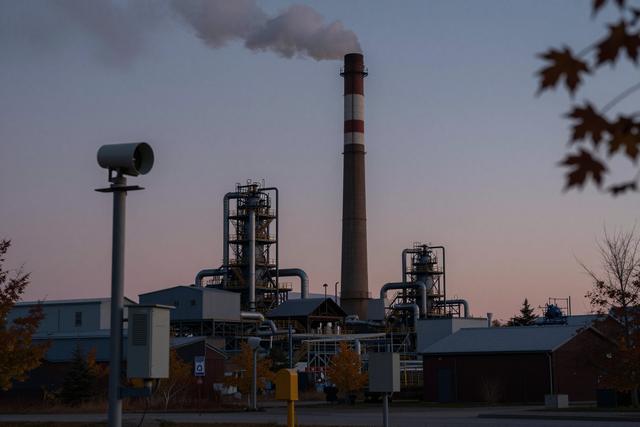
Local health professionals are calling on the incoming Quebec administration to uphold the 2029 deadline for reducing arsenic emissions from the Horne Smelter in Rouyn‑Noranda. The target concentration, set at 15 nanograms per cubic metre, was established to safeguard public health in the surrounding community.
The emissions ceiling was originally part of a regulatory framework that the former Quebec government extended to give the smelter additional time to meet the standard. The extension allowed the facility to continue operations while working toward the 15 ng/m³ limit, which is considered the threshold for minimizing health risks associated with arsenic exposure.
Experts warn that any further postponement of the deadline could increase the risk of adverse health outcomes for residents in the area. Arsenic, a known carcinogen, can enter the air, water and soil, and prolonged exposure is linked to respiratory problems, skin lesions and an elevated risk of certain cancers. Maintaining the 2029 target, they argue, is essential to prevent these potential impacts.
The Horne Smelter, a major industrial site in the region, has been subject to ongoing monitoring and regulatory oversight. The current emissions limit reflects the latest scientific understanding of safe exposure levels. Health specialists emphasize that the 15 ng/m³ figure aligns with national and international guidelines for protecting community health.
As the new provincial government prepares its agenda, the health community is urging policymakers to prioritize the deadline and avoid additional extensions. The call comes ahead of broader discussions on environmental standards and industrial compliance across Quebec. By keeping the 2029 target, officials would demonstrate a commitment to public health while allowing the smelter to continue its operations under the agreed conditions.
The message from local health experts is clear: the 2029 arsenic emission limit represents a critical safeguard for the people of Rouyn‑Noranda, and any delay could undermine efforts to protect community well‑being.