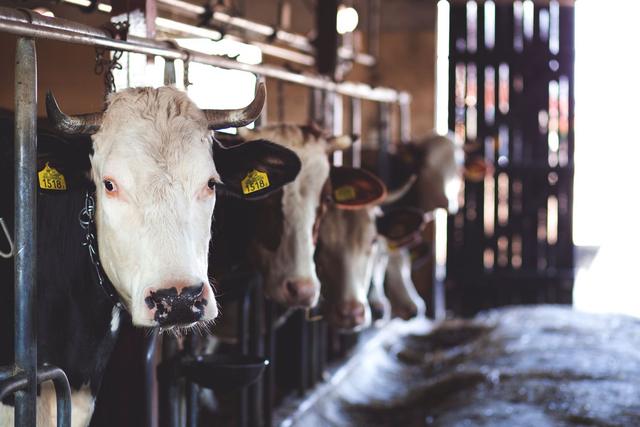
A severe heat wave sweeping Quebec in August 2026 is cutting milk output and killing dairy cows, according to producers across the province. Elevated temperatures and humidex readings have pushed conditions beyond the comfort range for the animals, prompting a noticeable drop in daily yields and an increase in fatalities on farms.
Dairy operators report that the combination of high heat and humidity is forcing cows to expend more energy on cooling themselves rather than on milk synthesis. The result is a measurable decline in the volume of milk collected each day, a trend that threatens supply chains that rely on steady provincial output. In addition, several farms have confirmed the loss of animals that succumbed to heat stress, underscoring the severity of the situation.
The current episode follows a pattern of increasingly intense summer heat waves that have been recorded across Quebec in recent years. Each successive event has placed greater strain on agricultural operations, particularly those that depend on livestock that are sensitive to temperature fluctuations. While the province’s dairy sector has historically managed seasonal variations, the present heat levels have exceeded typical summer norms, leaving producers scrambling to implement emergency cooling measures.
Farmers are deploying fans, misting systems, and shade structures in an effort to lower ambient temperatures around the herd. Water availability is also being closely monitored to ensure that the animals remain hydrated. Nevertheless, the rapid rise in heat has outpaced many of these interventions, leading to both reduced milk yields and the unfortunate loss of cattle.
Officials from agricultural agencies are tracking the impact of the heat wave and advising producers on best practices for animal welfare under extreme conditions. The ongoing situation highlights the vulnerability of Quebec’s dairy industry to climate‑related stressors and may prompt a reassessment of long‑term strategies for managing heat risk on farms.
As the heat wave continues, the province’s dairy community remains on alert, hoping that temperatures will moderate before the season’s milk supply is further compromised.