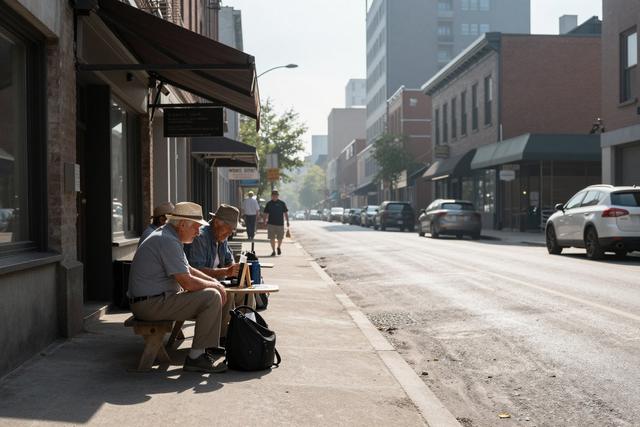
The first heat wave of 2026 has pushed temperatures in Montreal above 40 °C, with humidex readings exceeding 40, officials said, putting low‑income and other vulnerable residents at heightened risk of heat‑related illness.
The spell began on June 30 and is expected to continue through July 6, according to Dr. David Kaiser of the Montreal Regional Public Health Directorate. He noted that the combination of extreme heat and high humidity creates conditions that can quickly overwhelm people who lack adequate cooling.
Public health authorities highlighted that income‑related gaps in access to air‑conditioned housing, cooling centres, and reliable electricity amplify the danger for those living in crowded apartments or without private climate control. The department is urging municipalities and community groups to expand cooling resources in neighbourhoods where households report limited means to stay cool.
The DRSP has issued guidance urging residents to drink plenty of water, limit outdoor activity during peak heat hours, and check on neighbours who may be isolated or unable to afford cooling. Health workers are being deployed to senior homes and shelters to monitor signs of heat exhaustion and dehydration.
While the heat wave follows a pattern of increasingly frequent extreme temperature events across southern Canada, officials stressed that the current situation underscores existing social inequities. Without targeted interventions, the health impacts are likely to fall disproportionately on people already facing economic hardship.
City officials are reviewing the deployment of temporary cooling stations in public libraries, community centres and transit hubs. The measures are intended to provide short‑term relief while longer‑term strategies to address cooling disparities are developed.