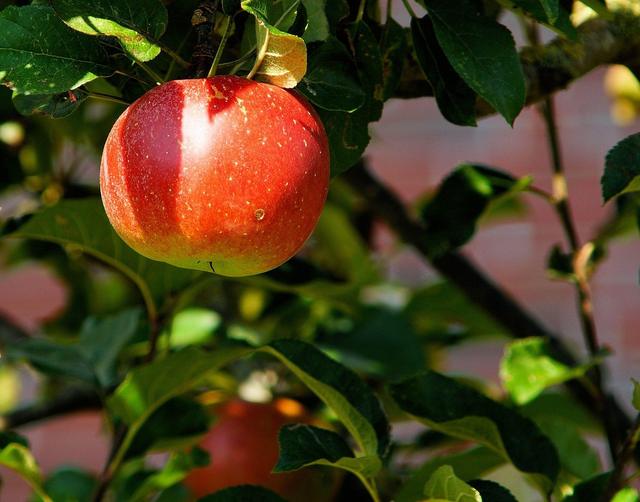
A looming tariff conflict with the United States threatens to erode the market position of apple growers in Quebec, according to industry representatives. The dispute centers on recently announced U.S. duties applied to Canadian agricultural products, a measure that could diminish the competitiveness of orchards across the province.
Jérôme‑Antoine Brunelle, speaking for the Quebec Apple Producers association, highlighted the potential impact on the sector. He noted that the new tariffs could raise costs for exporters and limit access to the large American market that many Quebec growers rely on for sales.
The tension follows a broader trade disagreement between Canada and the United States that has already affected multiple agricultural categories. While the specific rates and timelines for the apple-related duties have not been disclosed, the uncertainty surrounding the policy has prompted growers to reassess their export strategies.
Quebec's apple industry, a significant component of the province's agricultural output, typically benefits from proximity to U.S. consumers and established trade routes. A reduction in price competitiveness could lead to lower volumes shipped south, potentially shifting market share to producers in other regions or countries less subject to the tariffs.
Stakeholders are monitoring diplomatic negotiations for any signs of resolution. Until then, producers may need to explore alternative markets or adjust production levels to mitigate the financial strain anticipated from the trade measures.
The situation underscores the interconnected nature of North American agricultural trade and the sensitivity of regional economies to policy shifts. As discussions continue, the outlook for Quebec's apple growers remains contingent on the evolution of the tariff dispute and any forthcoming agreements between the two neighboring nations.
The issue remains a focal point for both provincial agricultural bodies and federal trade officials as they seek to protect the sector while navigating broader bilateral trade challenges.