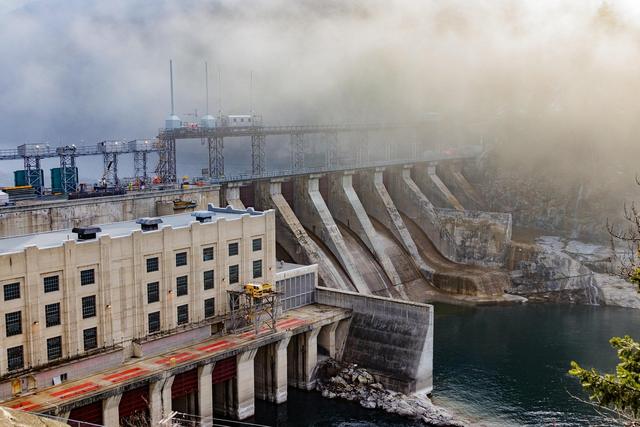
Hydro-Québec announced a 23 percent reduction in net profit for the second quarter of 2026, attributing the decline to weaker precipitation that cut hydroelectric generation across the province.
The utility’s earnings fell after a period of reduced rainfall lowered water levels in its reservoirs, limiting the amount of electricity it could produce. With less water flowing through turbines, the company’s output and corresponding revenue decreased sharply.
Hydro-Québec’s financial performance is closely tied to seasonal water availability, a factor that consistently influences its bottom line. When precipitation is abundant, reservoir levels rise, enabling higher generation capacity and stronger earnings. Conversely, dry spells shrink water reserves, directly curbing the volume of power that can be sold.
In the current quarter, the shortfall in rainfall was significant enough to affect the utility’s overall production figures, leading to the reported profit drop. The reduced generation not only impacted immediate revenue but also highlighted the vulnerability of a hydro‑dominant energy model to climate variability.
The company did not disclose additional financial metrics beyond the profit decline, but the 23 percent figure underscores the material effect that weather patterns can have on a large, state‑owned electricity provider. Analysts note that such fluctuations are part of the operational risk inherent to hydroelectric systems, which rely on natural water cycles rather than fuel markets.
Looking ahead, Hydro-Québec will continue to monitor water inflows and adjust its generation schedule accordingly. The utility’s ability to manage reservoir levels and maintain supply reliability remains a key priority as it navigates the challenges posed by variable precipitation.
Stakeholders are watching the situation closely, aware that future profit margins may swing with the season’s rain and snow patterns, reinforcing the link between Quebec’s climate and the province’s primary source of electricity.