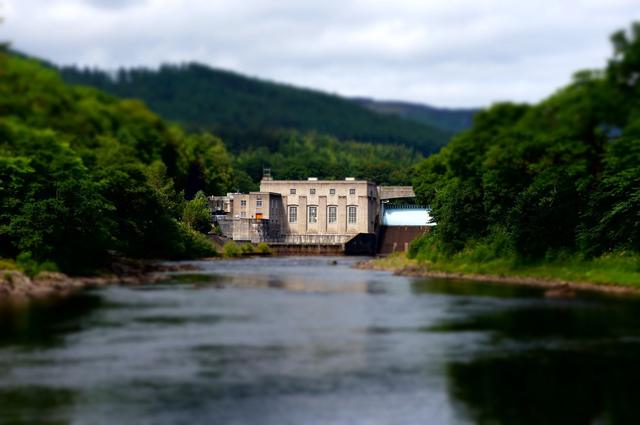
Hydro-Québec announced a 23 percent drop in net profit for the second quarter of 2026, attributing the decline to reduced precipitation that limited water flow for its hydroelectric plants. The province's main electricity supplier said the shortfall directly impacted revenue as generation capacity fell short of typical levels.
The utility, which relies almost entirely on water-driven power, highlighted that the recent drought conditions lowered river and reservoir levels across Quebec. With less water available to turn turbines, the amount of electricity produced fell, squeezing the company's earnings for the quarter.
Hydro-Québec's financial results underscore the sensitivity of a hydro‑dominant system to weather patterns. While the organization continues to supply the province's power needs, the dip in profit reflects how natural variations in rainfall can translate into measurable economic effects for a public utility.
Analysts note that the 23 percent reduction is a clear indicator that the province's energy model, heavily weighted toward renewable hydro power, can experience volatility when climate conditions shift. The utility's statement did not include specific figures for revenue or production volumes, focusing instead on the percentage change and the cause linked to lower water availability.
The quarter's performance arrives as Quebec monitors broader environmental trends, including the frequency and intensity of dry spells. Hydro-Québec's experience may prompt discussions about diversification of energy sources or investment in storage solutions, though the company did not outline any immediate strategic changes in its report.
Overall, the Q2 2026 earnings highlight the direct connection between natural water cycles and the financial health of Quebec's primary electricity provider, reinforcing the importance of water management in the province's energy planning.