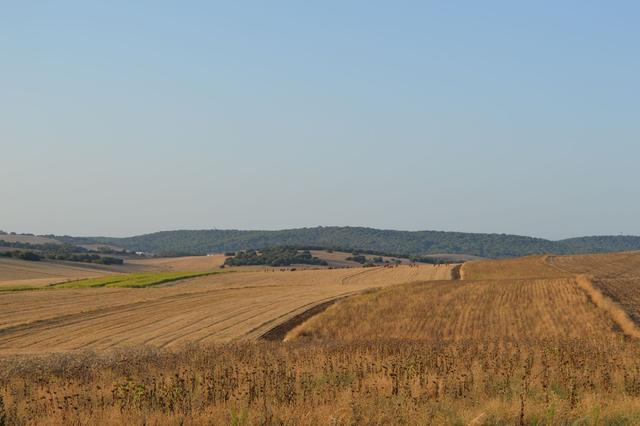
Hydro-Québec’s plans to install wind turbines on agricultural land in Quebec were blocked on September 11, 2026 after the Commission de protection du territoire agricole du Québec (CPTAQ) issued negative opinions on two separate applications. The commission’s decisions represent the first refusals it has handed down to the utility for such projects.
The two reviews conducted by CPTAQ concluded that the proposed wind farm installations did not meet the criteria required to protect agricultural territory. By issuing negative opinions, the commission effectively halted the projects, preventing the turbines from being sited on the farmland in question.
Hydro-Québec has been actively pursuing the development of wind energy on farmland as part of its broader renewable‑energy strategy. The recent CPTAQ rejections mark a shift in the regulatory landscape, indicating that the agency is applying its mandate to safeguard agricultural land more stringently. The utility will now need to reassess its approach to locating wind turbines, taking into account the commission’s concerns.
The decisions were announced on the same day the reviews were completed, underscoring the commission’s role in evaluating land‑use proposals that could affect Quebec’s agricultural sector. No further details about the specific locations or the scale of the proposed turbine installations were released in the statements.
While Hydro-Québec has not yet indicated its next steps, the negative opinions from CPTAQ mean that the current proposals cannot proceed. The utility may consider alternative sites or seek modifications that would satisfy the commission’s requirements, though any future applications will be subject to the same protective review process.
These developments come as part of ongoing discussions in the province about balancing renewable‑energy expansion with the preservation of farmland, a core component of Quebec’s agricultural policy.