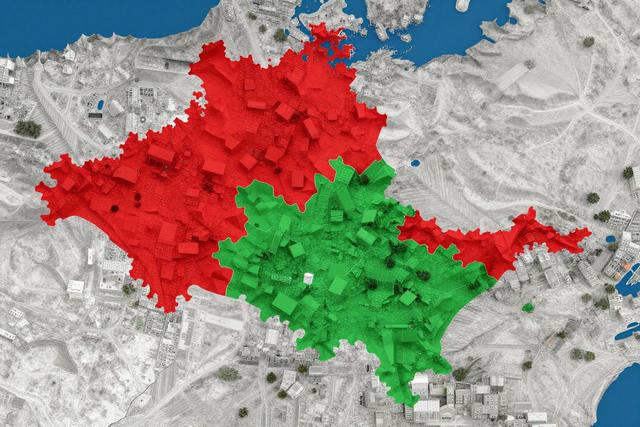
The Institut de la statistique du Québec released new population forecasts on Tuesday, showing that while the province’s overall population continues to rise, growth will be uneven across its regions. The projections indicate that several areas are expected to experience a decline in resident numbers in the coming years, even as the total headcount for Quebec keeps climbing.
The agency’s report highlights a contrast between regions that are set to attract new inhabitants and those where demographic trends point toward a loss of residents. Although the specific locales facing decline are not named in the summary, the pattern suggests a shifting balance that could affect local economies and service planning.
Despite the anticipated regional downturns, the forecasts also note that demand for housing throughout Quebec is projected to increase. This rise in housing need aligns with the province’s broader demographic trend of a growing overall population, underscoring the importance of continued development in the real estate sector.
Officials from the Institut de la statistique du Québec emphasized that the data reflects long‑term trends rather than short‑term fluctuations. The agency’s analysis will inform policymakers, municipal planners, and other stakeholders as they consider strategies to address both the expected population losses in certain areas and the heightened demand for housing across the province. The release comes amid ongoing discussions about how to balance growth and resource allocation in a province marked by diverse regional dynamics.
The new projections add to the body of demographic information that guides public‑sector decisions, offering a clearer picture of where Quebec’s population is likely to expand and where it may contract. As the province prepares for these changes, the emphasis remains on adapting infrastructure, services, and housing policies to meet the evolving needs of its residents.