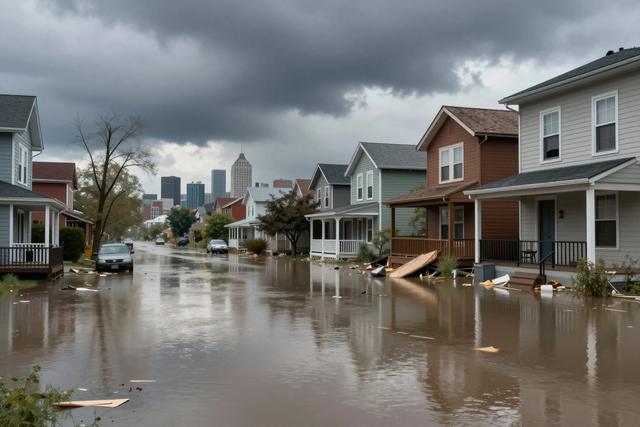
In June 2026, severe storms and flooding across Manitoba, Saskatchewan and the Montreal area of Quebec resulted in insured damages exceeding $1.1 billion, according to data released by the Insurance Bureau of Canada.
The weather events were characterized by heavy rainfall and strong wind systems that produced both flash flooding and wind‑related damage to homes, businesses and infrastructure. In Manitoba and Saskatchewan, widespread inundation forced residents to evacuate low‑lying neighborhoods, while gusty conditions knocked down trees and damaged roofs. In the Montreal region, similar patterns of intense rain and wind caused street flooding and property damage throughout the metropolitan area.
The Insurance Bureau of Canada said the $1.1 billion figure reflects the amount of loss covered by insurance policies, not the total economic impact of the storms. The bureau’s estimate aggregates claims filed for water damage, structural repairs, vehicle damage and other insured losses reported by participating insurers across the three jurisdictions.
Provincial emergency managers confirmed that the June weather system was among the most severe to affect the central and eastern parts of the country in recent years. Flood‑related road closures and power outages were reported in several communities, prompting temporary shelter arrangements for displaced families. The combination of prolonged precipitation and high winds strained drainage systems and highlighted vulnerabilities in older residential districts.
Officials in each province have begun assessing the full scope of the damage and are coordinating with insurance providers to expedite claim processing. The Insurance Bureau of Canada noted that the current insured loss total surpasses previous June storm seasons, underscoring the financial burden placed on policyholders and insurers alike.
The June 2026 events add to a growing record of extreme weather incidents across Canada, prompting ongoing discussions about infrastructure resilience and the role of insurance in mitigating the costs of natural disasters.