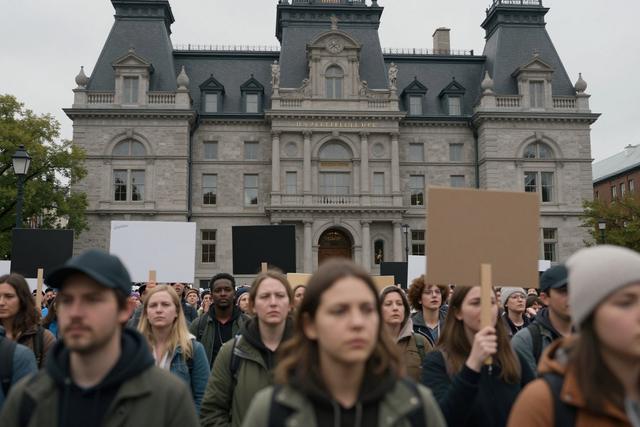
On September 19, 2026, a sizable public rally gathered in front of Laval City Hall at 1:00 PM, organized by the Syndicat des travailleuses et travailleurs du CISSS de Laval‑CSN and the Conseil central du Montréal métropolitain‑CSN (CCMM‑CSN). The demonstration was staged to denounce the sharp increase in rental prices that has been affecting residents across the region.
The two CSN‑affiliated unions called the protest after observing a steep climb in rent costs throughout Laval and surrounding areas. Participants assembled with signs and banners highlighting the urgency of the housing crisis, emphasizing how rapidly rising rents are straining households and threatening affordability for workers and families alike.
Organizers framed the rally as a direct response to a housing market that they say has become increasingly out of reach for many. By gathering in a public space adjacent to municipal offices, the unions aimed to draw attention from local officials and press the city to adopt measures that could curb rent hikes and improve access to affordable housing.
While the event attracted a crowd of demonstrators, the unions did not provide specific policy proposals during the rally. Their primary message remained focused on the need for immediate action to address the accelerating cost of rent and to protect tenants from further financial pressure.
The protest in Laval reflects a broader trend of labor groups across Quebec mobilizing around housing affordability. Recent data indicate that rent levels have risen sharply in recent months, prompting concerns among workers who rely on stable, affordable living conditions to maintain employment stability.
City Hall representatives were present at the rally, acknowledging the concerns raised by the unions. However, no concrete commitments were announced at the time of the gathering. The demonstration concluded with participants urging municipal authorities to prioritize housing policy reforms and to engage in dialogue with labor representatives.
The rally underscores the growing intersection between labor activism and housing policy in the region, as unions continue to amplify the voices of renters seeking relief from escalating costs.