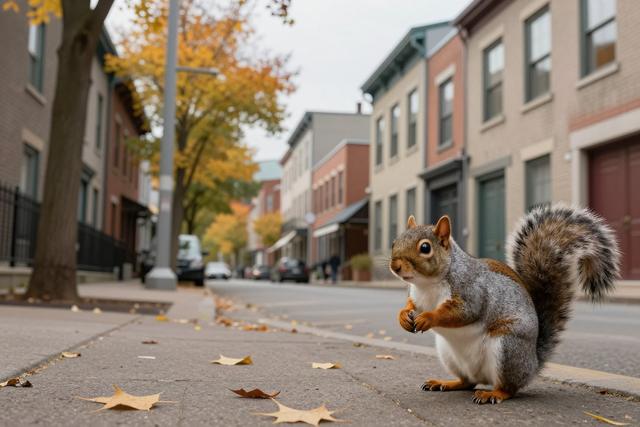
Researchers at McGill University have reported that the coat colour of the eastern gray squirrel changes according to the neighbourhood in which the animal lives in Montreal. The finding, released on Wednesday, adds a new dimension to the understanding of how urban environments shape wildlife characteristics.
The study examined squirrels across the city and identified distinct variations in fur colour that corresponded with the specific areas they inhabited. While the research did not specify the exact mechanisms, it highlighted that local environmental conditions in each neighbourhood influence the squirrels' fur characteristics.
According to the investigators, the observed differences suggest that the urban landscape creates micro‑habitats that affect the physical appearance of resident species. The research underscores the role of neighbourhood‑level factors such as vegetation, built‑up areas and possibly micro‑climate in shaping the outward traits of the eastern gray squirrel.
The eastern gray squirrel is a common sight throughout Montreal, often seen darting among trees and parks. The new data reveal that, despite the species' widespread presence, its appearance is not uniform across the metropolis. Instead, the city's diverse neighbourhoods foster a mosaic of colour patterns among the same species.
These results contribute to a broader picture of how city dwellers, both human and animal, experience varied environmental conditions within a single urban region. By documenting the link between neighbourhood characteristics and squirrel fur colour, the McGill team provides evidence that even small mammals respond visibly to the nuances of their immediate surroundings.