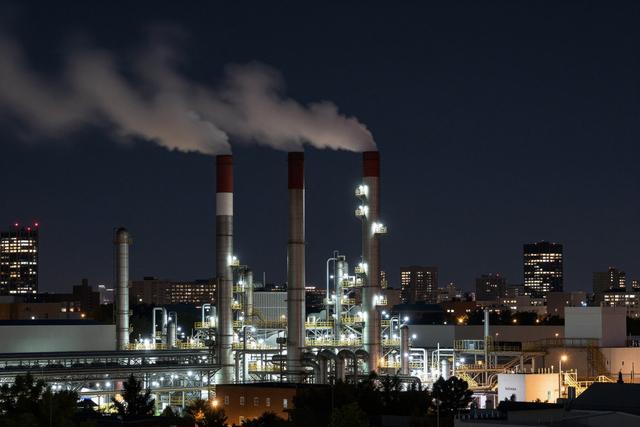
Montreal formally asked the provincial government on 22 September 2026 to assume responsibility for resolving odor problems emanating from the Sanimax processing plant. The city highlighted a pattern of resident complaints about unpleasant smells linked to the facility’s emissions.
The Sanimax plant, operating since 1957, processes pork and chicken carcasses supplied by slaughterhouses across Quebec. Over the decades, its role in waste conversion has been a constant, but the release of odorous compounds has increasingly drawn the attention of nearby neighborhoods. Municipal officials said the frequency and persistence of the odor complaints prompted the request for provincial intervention.
By shifting the issue to the Quebec government, Montreal aims to leverage broader regulatory and technical resources to address the emissions. The city’s request does not detail specific remedial actions but underscores the need for a coordinated response that can meet community expectations for air quality.
Provincial authorities have not yet issued a public statement on how they will handle the matter. The Sanimax facility continues its operations while the dialogue between municipal and provincial bodies unfolds. The plant’s long‑standing presence, dating back to the mid‑20th century, remains a focal point for discussions about industrial impacts on local environments.
The situation reflects an ongoing tension between essential food‑processing infrastructure and the quality of life for residents living in proximity to such sites. Montreal’s appeal to Quebec underscores the municipality’s reliance on higher‑level governance when local measures prove insufficient to mitigate persistent odor concerns.
As the two levels of government engage, the outcome will determine how the Sanimax plant adapts its emission controls and how future complaints are managed, aiming to balance industrial activity with community well‑being.