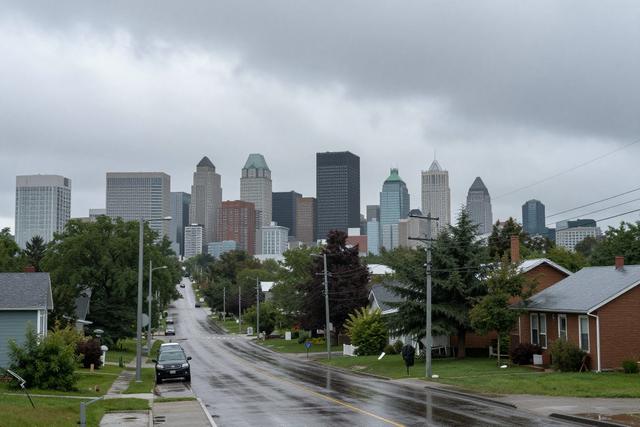
On July 15, 2026, southern Quebec experienced a series of thunderstorms that proved less severe than earlier forecasts, resulting in only a limited number of electricity interruptions across the region.
Meteorologists had previously warned residents of the area about the possibility of stronger storms, anticipating significant wind gusts and heavy rain. As the day progressed, the anticipated intensity failed to materialize, and the weather remained comparatively mild. Rainfall was moderate, and wind speeds stayed below the levels that had prompted the initial alerts.
Utility providers confirmed that the milder conditions led to a small number of power disruptions. The interruptions were described as brief and localized, affecting a handful of customers rather than causing widespread outages. Restoration crews responded quickly, and service was restored in the affected zones within a short timeframe.
No reports of injuries or property damage linked to the storms emerged from local authorities. Emergency services remained on standby throughout the day but were not called upon for storm‑related incidents. Residents noted that the weather, while rainy, did not reach the severity that had been forecast.
The discrepancy between the forecast and the actual conditions underscores the challenges inherent in predicting short‑term weather events. While forecasters had highlighted the potential for stronger thunderstorms, the outcome demonstrated a more subdued atmospheric pattern for the day.
Overall, the day concluded with southern Quebec largely unscathed, with only minor inconveniences stemming from the few power outages that did occur. The experience serves as a reminder of the variability of weather forecasts and the importance of ongoing monitoring by meteorological services.