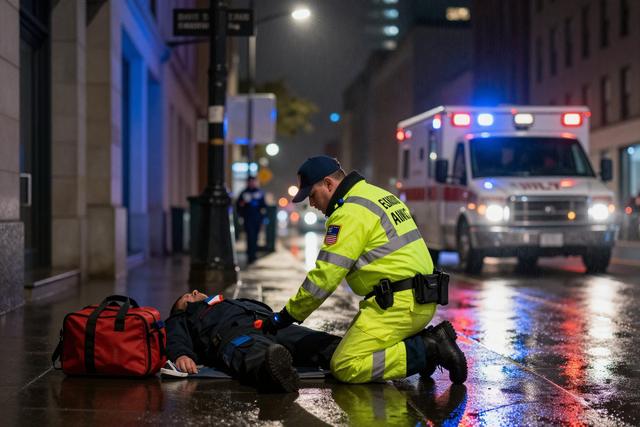
Health officials in Montreal have issued a warning about a sharp increase in overdoses linked to the synthetic opioids fentanyl and its analog carfentanil. Since the beginning of 2026, Urgences-santé paramedics have responded to more than 212 overdose incidents involving these substances, underscoring a growing public health concern in the city.
The figure of over 212 paramedic interventions reflects a notable rise compared with previous periods, prompting officials to highlight the potency of the drugs at the center of the crisis. Fentanyl and carfentanil are both classified as powerful synthetic opioids, with carfentanil being several thousand times stronger than morphine. Their presence in the illicit drug market has been associated with a surge in emergency calls across Montreal this year.
Urgences-santé, the province's emergency medical service, has been on the front lines of the response, deploying crews to a range of locations throughout the city as calls for overdose assistance continue to climb. The paramedics' role includes administering life‑saving treatments such as naloxone and providing immediate medical care until patients can be transferred to hospitals for further treatment.
Officials have not released detailed demographic data on the individuals affected, but the volume of calls suggests that the problem is widespread. The rise in fentanyl and carfentanil incidents aligns with broader trends observed in other North American cities, where synthetic opioids have increasingly contributed to overdose mortality.
While the city continues to monitor the situation, the warning serves as a reminder to residents and health providers alike of the heightened risk posed by these substances. Authorities are encouraging anyone who suspects an overdose to call emergency services promptly, emphasizing that rapid intervention remains critical in preventing fatalities.
The ongoing increase in fentanyl and carfentanil overdoses is expected to keep Urgences-santé paramedics engaged throughout the remainder of 2026, as the city seeks to address the underlying factors driving the surge.