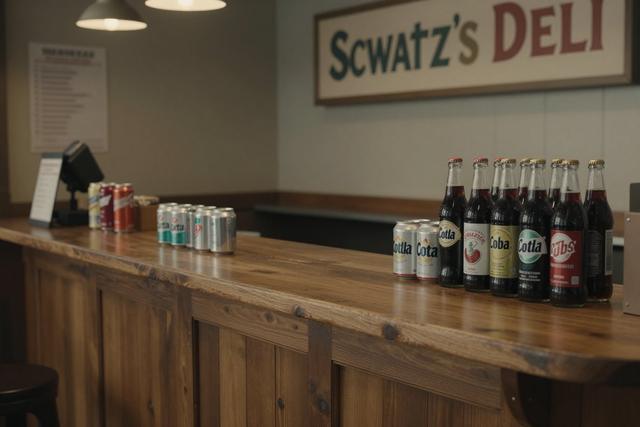
Schwartz’s Deli in Montreal stopped serving Cott’s black‑cherry soda on August 25, 2026, and replaced it with a locally produced cola after new United States tariffs made the imported drink unavailable. The deli, a longtime fixture in the city’s food scene, announced the change to its menu in response to the sudden rise in cost and supply disruptions caused by the tariff measures.
The tariffs were introduced by the U.S. government as part of a broader set of trade actions targeting Canadian soft drinks. Under the new rules, the duty on beverages imported from Canada increased enough to render the black‑cherry soda financially unviable for Schwartz’s. As a result, the deli could no longer source the product from Cott, the Canadian manufacturer that had supplied the soda for years.
Cott’s black‑cherry soda had been a popular choice among regulars, known for its distinct flavor and regional branding. With the beverage effectively blocked by the tariff, the deli turned to a Quebec‑based producer of cola, which is now on tap for customers. The locally made cola meets the same regulatory standards and is priced within the deli’s existing menu structure.
The shift at Schwartz’s mirrors a growing trend among Canadian food establishments that are adjusting their beverage offerings in light of the tariff regime. Several restaurants and cafés across the country have reported similar substitutions, moving from imported sodas to domestic alternatives to avoid the added costs.
While the policy change has prompted a practical response from the deli, it also underscores the broader impact of cross‑border trade decisions on everyday consumer choices in Quebec. The move demonstrates how businesses adapt quickly to maintain service continuity when external economic factors alter supply chains.