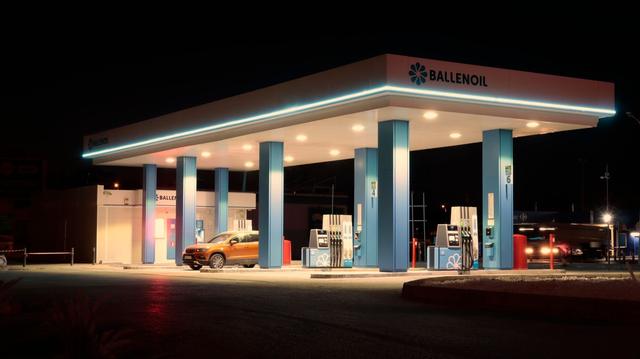
The average price of diesel at gas stations across Montreal rose above $2.85 per litre on Sunday, September 13, 2026, according to the latest market data released late in the evening.
The increase marks a new threshold for diesel costs in the city, with the posted average now exceeding the $2.85 per litre level that many drivers and commercial operators have been monitoring. The price change was recorded at 21:36 GMT, reflecting the most recent update from local fuel price trackers.
Industry observers note that diesel is a key fuel for freight trucks and delivery vehicles that service grocery stores and other retail outlets throughout the region. When the cost of diesel climbs, transportation providers typically face higher operating expenses, a factor that can be passed on to businesses that rely on road haulage.
Economists and market analysts have warned that the rise in diesel prices is likely to translate into higher grocery prices for consumers in Montreal. The additional expense incurred by transport firms is expected to be reflected in the cost of goods as they move from distribution centres to storefronts. While exact figures for the anticipated grocery price adjustments have not been released, the link between fuel costs and retail pricing is well established.
Consumers in the city may notice the impact in the weeks ahead as grocery retailers adjust their pricing structures to accommodate the increased cost of moving inventory. The change follows a broader trend of rising energy prices that have been observed in several sectors of the Canadian economy.
Officials from the provincial government have not issued a statement regarding the diesel price increase, and no immediate measures have been announced to mitigate the effect on consumers. As of now, the average diesel price remains above $2.85 per litre, a level that could influence budgeting decisions for both individual drivers and businesses that depend on diesel‑powered transportation.
The situation underscores the sensitivity of everyday expenses to fluctuations in fuel markets, and residents are advised to stay informed about further developments that may affect the cost of essential goods.