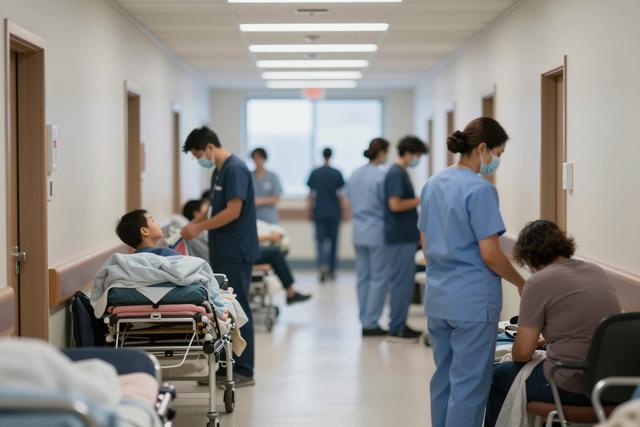
Emergency rooms across Montreal are working at more than double their normal capacity as a severe heat wave and a shortage of medical staff overwhelm local hospitals. Health officials report that the departments are operating at roughly 200% of their usual load, stretching resources and slowing response times.
The extreme temperatures have prompted city health authorities to issue specific advice to vulnerable groups. Seniors and individuals with respiratory conditions are being urged to remain in cool environments and avoid unnecessary trips to emergency departments. Officials stress that keeping these populations safe at home can help reduce the pressure on already strained facilities.
Montreal hospitals are confronting the combined impact of soaring heat and a lack of personnel. The heat wave has increased the number of patients with heat‑related illnesses, dehydration, and exacerbated chronic conditions, while staffing gaps limit the ability to triage and treat the influx efficiently. Emergency departments that normally manage a steady flow of cases now find themselves handling a surge that far exceeds their designed capacity.
City health officials say the situation reflects a broader challenge faced by the healthcare system during extreme weather events. The current wave of heat is described as intense, and its persistence is expected to keep demand high for several days. Hospital administrators are reallocating staff where possible and extending hours in an effort to maintain care standards, but the sheer volume of patients continues to test limits.
Residents are being reminded to monitor local weather updates and to seek alternative care options when appropriate, such as urgent‑care clinics or tele‑health services, to alleviate the burden on emergency rooms. The coordinated message from health officials underscores the urgency of staying cool and minimizing non‑critical visits until the heat subsides and staffing levels improve.
As the city navigates this dual crisis, the focus remains on protecting public health while ensuring that emergency services can continue to operate effectively under unprecedented conditions.