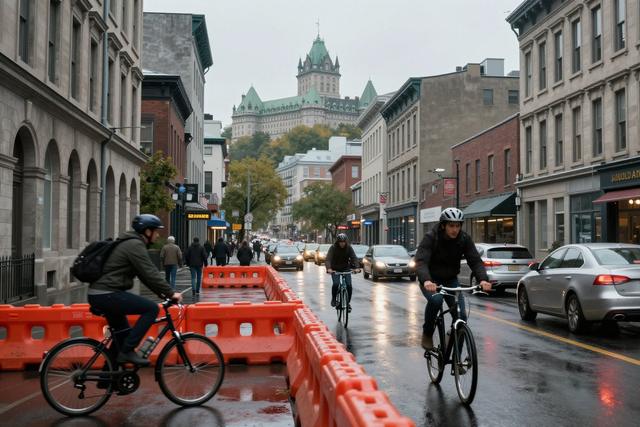
Montreal is preparing for a surge in traffic congestion as the city readies to host the Road Cycling World Championships in September 2026. The event, described as the city's largest sporting occasion since the 1976 Olympics, is expected to draw large crowds and increased vehicle movement across the metropolitan area.
Compounding the pressure on the road network, blue‑collar workers have initiated a strike that is disrupting normal commuter patterns. The strike adds an extra layer of uncertainty for drivers who already face detours and delays caused by ongoing construction projects that have been a fixture of the city’s infrastructure for months. Together, the three factors – the international cycling competition, the labor action, and permanent roadwork – are creating a situation that city officials say could overwhelm existing traffic flows.
Organisers of the World Championships have acknowledged the challenges and are coordinating with municipal authorities to manage road closures and to provide alternative routes for spectators and participants. The city of Montreal has issued advisories urging residents to plan travel ahead of time, to use public transit where possible, and to stay informed about evolving road conditions. Public concern has risen as commuters anticipate longer travel times and potential bottlenecks on key arteries throughout the city.
The convergence of a major global sporting event, a labour dispute, and long‑standing construction underscores the complexity of urban mobility in Montreal this September. While the championships promise international attention and economic activity, the city’s transportation network will be tested by the combined demands of event traffic, strike‑related disruptions, and the need to maintain progress on essential infrastructure projects.