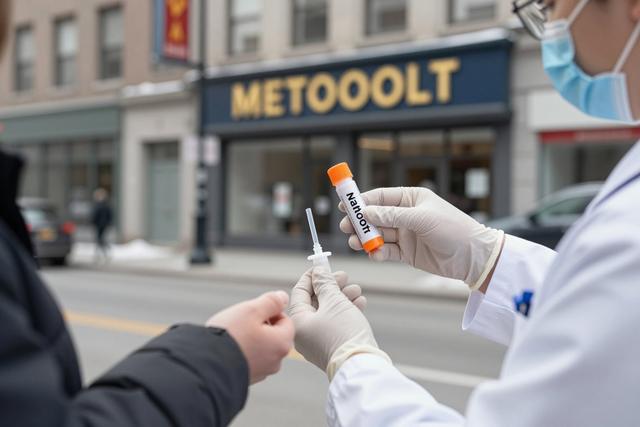
Montreal public health officials issued a warning on Thursday, noting that overdose incidents continue to rise while the number of naloxone administrations this year has already reached the total recorded for the previous year. The officials said the surge reflects a drug supply that is becoming increasingly toxic, prompting urgent concern among health authorities.
The city has observed a steady climb in overdose cases over recent months, a trend that has led health agencies to intensify efforts to monitor and distribute naloxone, the life‑saving opioid antagonist. According to the latest data, the volume of naloxone kits used in Montreal this year matches the cumulative count from the entire prior year, indicating a sharp acceleration in emergency interventions.
Health officials attribute the heightened risk to changes in the composition of illicit substances circulating in the region. They explained that more potent and unpredictable mixtures are contributing to a higher likelihood of fatal overdoses, even among individuals who have previously used the same substances without incident. The growing toxicity of the drug supply has forced the public health system to respond more aggressively, expanding outreach programs and making naloxone more readily available to first responders, community organizations, and the public.
In response to the evolving crisis, Montreal’s health department has increased its distribution network for naloxone, ensuring that kits are accessible in neighborhoods most affected by overdose spikes. Training sessions on recognizing overdose symptoms and administering the medication have been scaled up, aiming to empower bystanders to act swiftly. Officials emphasized that timely naloxone administration can be the difference between life and death, especially as the drug market continues to evolve.
The warning serves as a call for continued vigilance and cooperation among health services, community groups, and residents. While the rise in overdose cases presents a serious public health challenge, authorities remain committed to expanding preventive measures and ensuring that life‑saving interventions are promptly delivered to those in need.