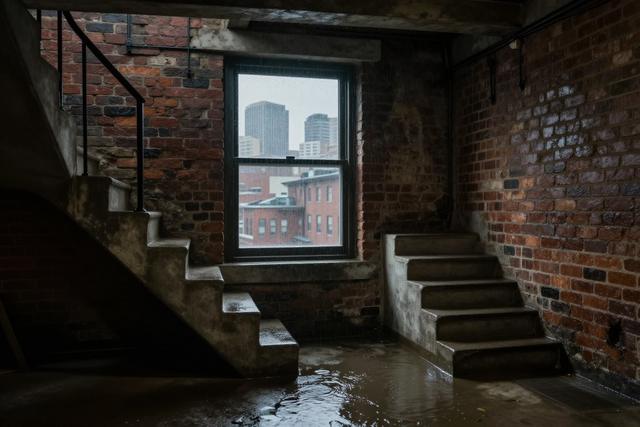
Basement water intrusion has plagued homeowners across the Montreal region for the past three years, ending a four‑decade stretch with little significant flooding. Residents who once considered their underground spaces safe are now confronting repeated seepage, prompting concerns about the city’s resilience to changing weather patterns.
Local experts point to a combination of heavier rainfalls, aging municipal infrastructure, and ongoing urban development as the primary drivers behind the surge. While Montreal has historically managed stormwater effectively, recent precipitation events have exceeded the capacity of older drainage systems, allowing water to find its way into basements. The city’s extensive network of pipes and sewers, many of which date back several decades, shows signs of wear that hamper its ability to redirect excess runoff.
Urban expansion compounds the problem. New construction projects often alter natural water flow, directing runoff toward residential areas that lack adequate protective measures. As neighborhoods become denser, the cumulative effect of impervious surfaces—such as roads and sidewalks—reduces the land’s ability to absorb rain, increasing the volume that must be managed by the existing drainage network.
Homeowners report that the floods have ranged from minor dampness to significant water levels that damage flooring, stored items, and structural components. The recurring nature of the issue has led many to invest in sump pumps, waterproofing treatments, and other mitigation strategies, though these measures add financial strain.
Municipal officials acknowledge the challenges and indicate that assessments of the drainage infrastructure are underway. The goal is to identify critical upgrades that can better handle intense rainfall events, a task made more urgent by climate trends that suggest heavier storms may become more common. In the meantime, residents are urged to remain vigilant during periods of heavy rain and to consider preventative steps to protect their basements.
The recent pattern of flooding marks a notable shift for Montreal, highlighting the need for both infrastructural improvements and community preparedness as the city confronts evolving environmental pressures.