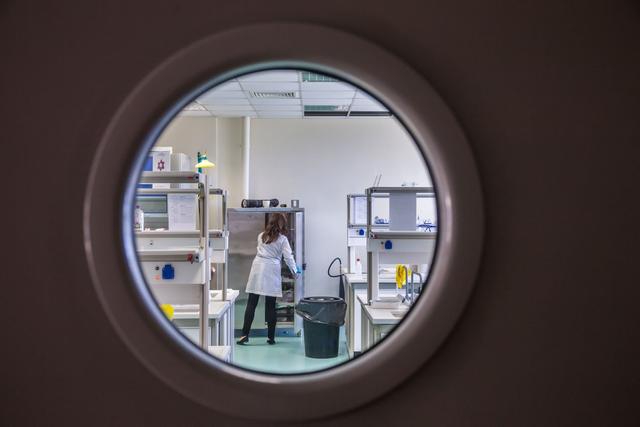
Researchers at Polytechnique Montréal have started cultivating animal protein in a controlled laboratory environment as part of Canada’s strategy to improve preparedness for future pandemics, officials announced on Monday. The initiative aims to create a reliable supply of animal-derived proteins that could be used in medical research, vaccine development and therapeutic testing without relying on traditional livestock sources.
The laboratory work focuses on growing protein cells from various animal species under conditions that mimic natural biological processes. By mastering these techniques, scientists hope to generate sufficient quantities of protein for experimental use while reducing the risk of zoonotic disease transmission that can occur when working with live animals. The approach also aligns with broader goals of minimizing animal use in research settings.
This effort is situated within a larger national program that seeks to strengthen biomedical research capacity across Canada. Federal and provincial agencies have emphasized the need for innovative solutions that can accelerate the response to emerging infectious threats. The Polytechnique Montréal project contributes to that agenda by providing a scalable platform for protein production that can be rapidly adapted to new pathogens.
While the research is still in its early stages, the laboratory team plans to expand the range of proteins produced and to collaborate with other institutions focused on vaccine and therapeutic development. The work complements ongoing investments in genomic surveillance, diagnostic tools and public health infrastructure that together form Canada’s comprehensive pandemic preparedness framework.
Stakeholders see the laboratory cultivation of animal protein as a practical step toward ensuring that critical biomedical resources are available when needed, reducing dependence on external supply chains and enhancing the country’s ability to respond swiftly to health emergencies.