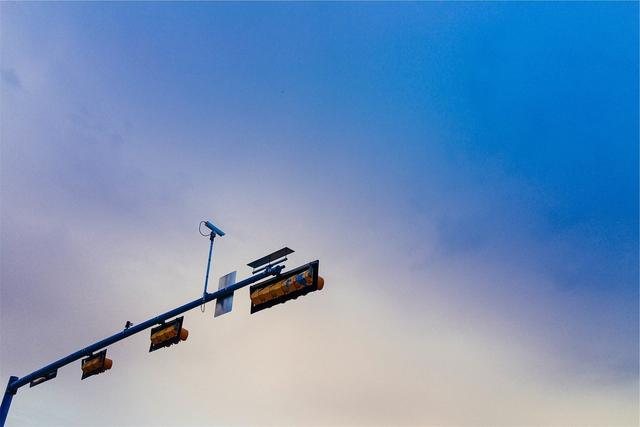
The Service de police de la Ville de Montréal (SPVM) confirmed the acquisition of four new license‑plate recognition cameras on September 18, 2026. The devices are designed to capture the number plates of passing vehicles and are comparable to models already employed by the technology firm Flock.
The purchase marks the latest addition to Montreal's growing portfolio of automated license‑plate recognition (ALPR) equipment. SPVM officials noted that the new cameras will be integrated into existing surveillance networks across the city, expanding the department's ability to record vehicle identifiers in real time.
Montreal's police force has been progressively rolling out ALPR technology over recent years, aiming to bolster traffic enforcement and support investigations. While the department has highlighted operational benefits, the broader use of such systems has prompted privacy discussions in other regions. Critics elsewhere argue that widespread plate‑reading can lead to extensive tracking of individual movements without sufficient oversight.
The four cameras purchased from Flock are expected to be deployed at strategic locations, though exact sites have not been disclosed. SPVM has not released details about the cost of the equipment or the timeline for full implementation. The department reiterated its commitment to complying with provincial and federal privacy regulations while utilizing the technology.
Observers note that the expansion of ALPR tools in Montreal mirrors trends seen in other North American cities, where law‑enforcement agencies balance public safety objectives against concerns about data retention and surveillance scope. The introduction of the new cameras adds to the ongoing conversation about how best to manage emerging surveillance capabilities within the framework of civil liberties.