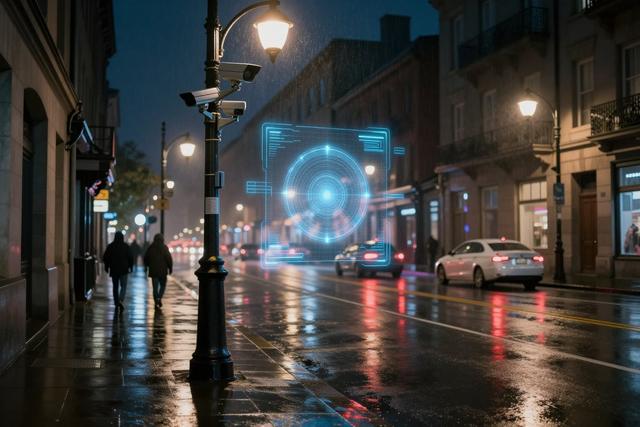
Montreal police are broadening the use of artificial intelligence tools to monitor both vehicles and pedestrians across the city, a move that has prompted questions about transparency and privacy rights. The department has begun adding new AI-driven capabilities to its existing surveillance system without public announcement, according to city sources.
The expanded network relies on algorithms that can identify and track moving objects in real time, allowing officers to follow cars and individuals as they travel through Montreal. Police officials say the technology is intended to improve public safety and aid investigations, but they have not provided details on how the system will be managed or overseen.
Privacy advocates have responded by calling for clearer guidelines and greater public oversight. They argue that the quiet rollout makes it difficult for citizens to understand how data is collected, stored, and used. The concerns focus on the potential for continuous monitoring of everyday activities without explicit consent.
City officials have not disclosed the scale of the upgrade, nor have they indicated whether any independent review will accompany the deployment. The police department’s silence on the specifics of the AI tools and their operational parameters has heightened calls for accountability.
The development follows a broader trend of law‑enforcement agencies worldwide adopting advanced analytics to process video feeds and other sensor data. While proponents emphasize the benefits for crime prevention and response, critics warn that such systems can erode civil liberties if not paired with robust safeguards.
As the AI surveillance network expands, Montreal residents and civil‑rights groups are likely to seek clarification on the scope of the technology and the measures in place to protect personal information. The ongoing dialogue underscores a growing tension between security initiatives and the right to privacy in an increasingly digital public sphere.