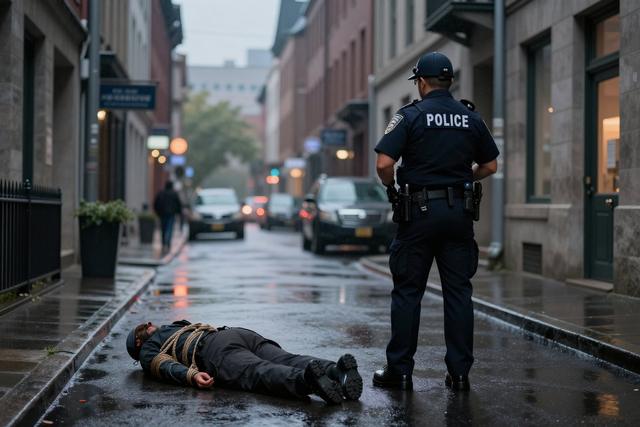
Montreal Police Service announced on September 18, 2026 that officers are to stop using the controversial hog‑tie restraint technique. The directive follows a finding by the Quebec coroner’s office that the method likely contributed to the death of a man who had been restrained in that manner.
The police service issued an internal memorandum ordering all units to discontinue the practice immediately. The notice instructs officers to employ alternative, less restrictive methods when controlling individuals who pose a threat to themselves or others. No further details about the specific incident that prompted the coroner’s conclusion were released, but the ruling underscores a shift in operational policy.
The coroner’s office concluded that the hog‑tie restraint, which involves binding a person’s hands and feet behind their back, was a contributing factor in the fatal outcome. While the exact medical cause of death was not disclosed, the determination that the restraint played a role prompted the police service to reassess its use.
Criticism of the hog‑tie method has grown after several high‑profile cases in which restrained persons died while being held in the position. Advocates and medical experts have warned that the technique can impair breathing and circulation, especially when applied to individuals with underlying health issues or under stress. The recent coroner’s finding adds official weight to those concerns.
Police officials indicated that training programs will be updated to reflect the new policy and that officers will receive guidance on safer restraint alternatives. The move aligns Montreal’s policing practices with a broader trend in Canadian law‑enforcement agencies to limit or eliminate restraints that pose a risk of serious injury or death.
The decision marks a notable change in how Montreal police manage confrontations, aiming to reduce the likelihood of fatal outcomes linked to restraint methods.