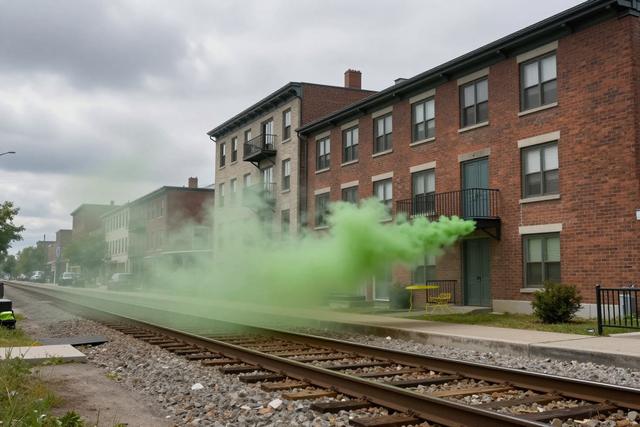
On Saturday evening, residents of the Mercier–Hochelaga-Maisonneuve neighbourhood gathered to voice complaints after Canadian National Railway (CN) sprayed herbicide on railway tracks that run alongside their homes. The operation, which took place on July 18, 2026, was carried out without any advance notification to the people living nearby, prompting a spontaneous protest from the community.
The affected area is a densely populated section of Montreal where the railway line borders residential streets. While CN routinely performs weed‑control measures on its tracks, the decision to apply chemical herbicide in close proximity to private dwellings raised immediate health and safety concerns among the locals. Residents expressed unease about potential exposure to the chemicals, citing the lack of prior warning as a key factor that amplified their worries.
CN officials have stated that weed control is a regular part of maintaining safe rail operations, but the timing and method of this particular application have drawn criticism. Community members pointed out that the absence of communication left them unable to take precautionary steps, such as keeping windows closed or keeping children indoors, during the spraying.
The protest did not involve any violent actions; participants simply gathered near the tracks, raised their voices, and called for better communication from the railway company regarding future maintenance activities. The incident adds to a broader conversation about how industrial operations intersect with residential life in urban settings, especially when chemical treatments are involved.
Local authorities have not yet issued a formal response, but the event highlights the tension between essential infrastructure upkeep and the expectations of nearby residents for transparency and safety. The situation remains under observation as community members await clarification from CN on its notification procedures and any steps it plans to take to address the concerns raised.
The episode underscores the importance of clear communication between utility providers and the neighborhoods they serve, particularly when potentially hazardous substances are used near homes.