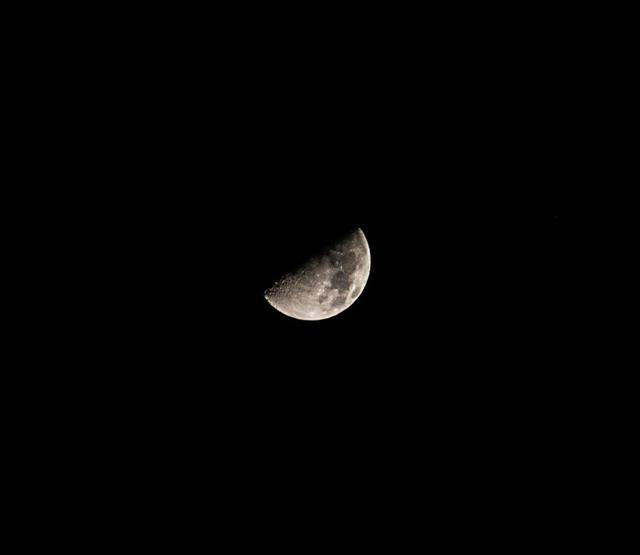
Quebec will enjoy optimal viewing conditions for the 2026 Perseids meteor shower on the night of August 6, when the Moon will be below the horizon, leaving the sky completely dark.
The Perseids, an annual celestial event that typically reaches its peak in mid‑August, are generated by debris from comet Swift‑Tuttle entering Earth’s atmosphere at high speed. Each year the shower produces dozens of bright streaks per hour, and the absence of moonlight is expected to enhance visibility for observers across the province.
Astronomers note that the lack of lunar illumination reduces background light, allowing fainter meteors to be seen. In Quebec, the meteor shower will be visible after sunset, with the radiant point rising in the constellation Perseus near the eastern horizon. The peak is forecast for the early pre‑dawn hours, when the constellation will be higher in the sky.
Local astronomy clubs and parks are planning open‑air viewing sessions, advising participants to bring reclining chairs, warm clothing and red‑light flashlights to preserve night‑adapted vision. The clear, moonless night also benefits photographers who aim to capture long‑exposure images of the meteors.
Because the Perseids recur each year, the 2026 event offers a repeat opportunity for both seasoned sky‑watchers and newcomers to experience one of the most reliable meteor showers in the northern hemisphere, now under especially dark conditions.
The lunar phase on August 6 places the Moon in its waning crescent stage, resulting in its disappearance from the night sky shortly after sunset. This timing aligns with the expected maximum of the Perseids, which astronomers predict will produce between 50 and 100 meteors per hour under ideal dark conditions.
Observers located in rural areas away from city lights are likely to see the highest number of meteors, while those in urban centers may still notice a noticeable increase compared to nights with moonlight.