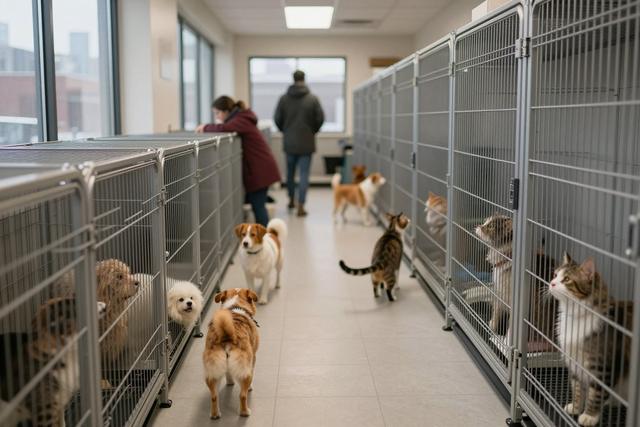
Proanima, a recently opened animal refuge in Montreal, is now caring for roughly 25 abandoned pets each day, a figure that represents about twice the number of animals it was receiving earlier in the year. The sharp rise in intake aligns with the city’s current moving season, during which many residents relocate and, in some cases, relinquish their animals.
During the first months of 2026, Proanima reported a relatively low daily intake, allowing staff to focus on establishing routines and building capacity for future demand. As summer progresses and more households change addresses, the shelter has observed a steady influx of cats, dogs and other small animals that owners have left behind. The surge has pushed daily admissions to the 25-animal mark, a level that staff describe as a significant increase compared to the previous rate.
Shelter managers note that the current volume is manageable but requires adjustments in feeding, housing and veterinary care. The organization, which opened its doors earlier this year, has been preparing for seasonal fluctuations, yet the rapid escalation has prompted a review of resource allocation to ensure each animal receives proper attention. Volunteers and donors have responded with additional support, helping to offset the heightened demand for supplies and medical services.
The pattern mirrors trends seen in other urban areas where moving periods often coincide with spikes in pet abandonment. While Proanima continues to accept all animals brought to its facility, the shelter emphasizes the importance of planning for pet care during relocations. Community outreach programs aimed at informing renters and homeowners about responsible pet ownership are expected to intensify as the summer moves toward its peak.
Overall, the shelter’s experience underscores the direct impact of local moving cycles on animal welfare, highlighting the need for coordinated efforts between municipal agencies, animal groups and the public to mitigate the rise in abandoned pets.