The governments of Newfoundland and Labrador and Quebec disclosed a proposal on Thursday that would enable electricity generated in Newfoundland and Labrador to travel through Quebec’s transmission network and be offered to buyers outside the province. The arrangement, outlined in a draft agreement, would give the eastern province a direct pathway to broader electricity markets, expanding beyond the current limited export routes.
Under the plan, power from Newfoundland and Labrador’s hydro resources would be injected onto Quebec’s high‑voltage lines, allowing the province to market the electricity to other jurisdictions. The governments say the move is intended to increase revenue opportunities for Newfoundland and Labrador and to make more efficient use of existing transmission infrastructure.
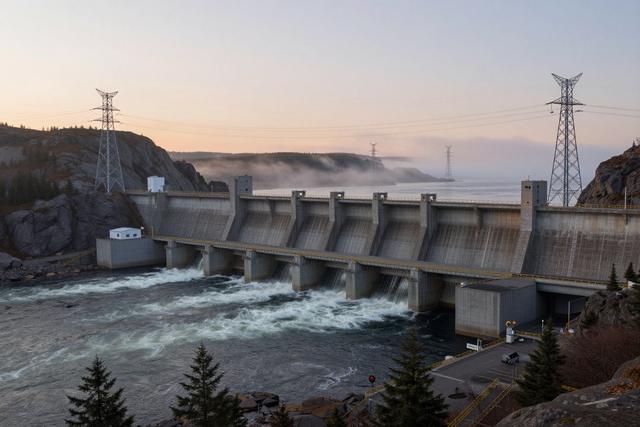
The proposal emerges as the two provinces renegotiate the terms governing the output from the Churchill Falls hydroelectric project, which has been subject to a long‑standing contract dating back several decades. Adjustments to that agreement have opened discussions about new ways to commercialize the region’s abundant renewable energy.
A former civil servant familiar with inter‑provincial energy negotiations was consulted during the drafting of the new deal, providing expertise on regulatory and technical considerations. While the details of the agreement remain under review, officials indicated that the framework would respect existing regulatory regimes and aim to secure fair compensation for the use of Quebec’s grid assets.
If approved, the arrangement could reshape the electricity trade landscape in eastern Canada, offering Newfoundland and Labrador a more direct channel to sell power to markets that may offer higher prices or greater demand. The governments plan to continue discussions with stakeholders and regulators before finalizing the terms of the partnership.
The announcement marks a significant step in the ongoing effort to modernize the region’s energy trade arrangements and to leverage the hydro capacity of Newfoundland and Labrador for broader economic benefit.