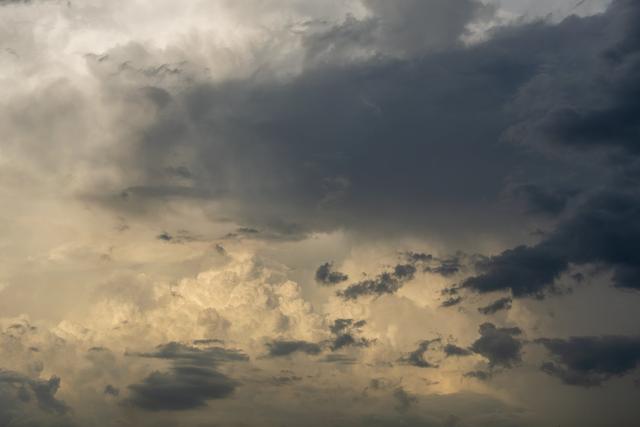
On Sunday, a powerful storm moved through Repentigny, Quebec, prompting the Northern Tornadoes Project to begin an investigation into whether the weather system produced a tornado. The research team, which monitors tornado activity across Canada, was alerted after the storm’s intensity raised the possibility of tornadic activity in the area.
The storm that struck Repentigny on August 2 displayed the kind of force that can occasionally generate tornadoes, according to meteorological guidelines. Residents reported strong winds and heavy rain, leading officials to consider the need for a formal assessment. While no official tornado warning was issued at the time, the unusual vigor of the system prompted experts to look for tell‑tale signs of a vortex.
The Northern Tornadoes Project, a specialized research group focused on identifying and documenting tornadoes, is now reviewing radar data, eyewitness accounts, and any available photographic evidence. The team typically examines Doppler radar signatures, damage patterns, and storm reports to determine if a tornado touched down. Their investigation will involve field surveys in the affected neighborhoods and consultation with local emergency services.
Confirming a tornado’s occurrence is important for both scientific records and community safety. An official classification can influence building codes, insurance claims, and future preparedness measures. It also adds to the growing database of Canadian tornado events, which helps improve forecasting models.
As of now, the Northern Tornadoes Project has not released a definitive conclusion. Researchers plan to complete their field assessment within the next several days and will issue a report summarizing their findings. The investigation remains ongoing, and authorities have asked residents to report any additional observations that could assist the analysis.