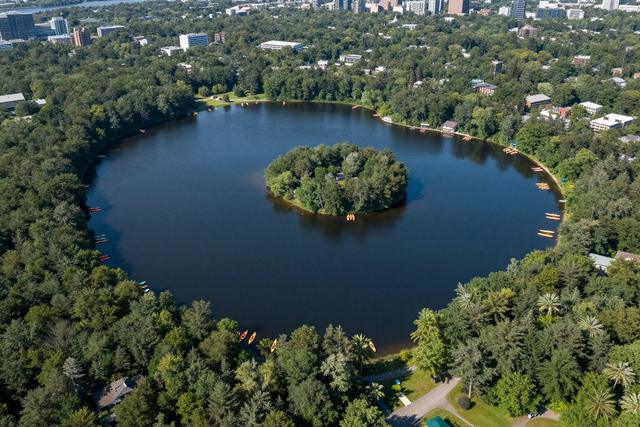
Researchers have identified that just 56 of the 596 lakes located within a 90-kilometre radius of Montreal provide public access for swimming or kayaking. The count, released on Wednesday, July 15, 2026, follows a study commissioned by the newspaper La Presse to assess the availability of recreational water sites in the region.
The analysis examined every lake in the defined area, totaling 596 bodies of water. Of these, only a small fraction—56 lakes—offer public entry points that allow people to engage in swimming or paddle‑boarding activities. The remaining lakes are either on private property, lack suitable shorelines, or have no infrastructure to support public use.
The findings underscore a broader pattern of limited public access to natural water resources around Montreal. While the province of Quebec boasts a rich landscape of lakes, the majority are not equipped for everyday recreation. The study did not attribute the lack of access to any single cause, but it highlights the scarcity of designated swimming and kayaking sites for residents and visitors who wish to enjoy the region’s waterways.
The research was undertaken at the request of La Presse, which sought to inform readers about the state of local outdoor amenities. By quantifying the gap between the total number of lakes and those open to the public, the report provides a clear picture of where recreational opportunities are concentrated and where they are absent.
Local authorities and community groups may use the data to consider improvements in access, such as developing new public launch points or negotiating agreements with private landowners. However, the study itself remains a factual accounting of existing conditions, without recommendations or policy proposals.
For anyone planning a summer outing, the limited list of publicly accessible lakes suggests that advance research is necessary to locate suitable swimming or kayaking spots. The data also serves as a baseline for future assessments of how public access to Quebec’s lakes may evolve over time.