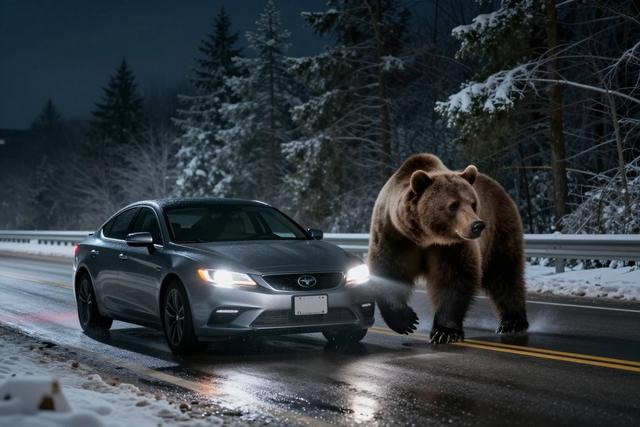
More than 7,000 incidents involving large wildlife were recorded on Quebec’s highway network during 2025, according to provincial experts monitoring road safety. The tally includes collisions with bears and moose, the two species most frequently involved in such accidents.
Experts explain that the high number of strikes is linked to seasonal foraging behavior. As bears and moose search for food, they often cross or travel along roadways, putting them in the path of passing vehicles. The movement of these animals onto highways peaks during periods when natural food sources are scarce, prompting them to seek alternative options along the roadside.
The 2025 figure continues a pattern of wildlife‑vehicle interactions that have long troubled Quebec’s transportation authorities. While exact counts from previous years were not provided, officials have repeatedly highlighted bears and moose as the primary culprits in large‑animal collisions. The recurring nature of the problem has prompted ongoing discussions about mitigation measures, such as wildlife crossings and signage, although no new initiatives were detailed in the latest report.
The impact of these collisions extends beyond immediate vehicle damage. Drivers involved in strikes with large mammals often sustain injuries, and the loss of wildlife can affect local ecosystems. Provincial data collection efforts aim to track the frequency and locations of incidents to better inform future safety strategies.
Authorities continue to advise motorists to remain vigilant, especially in areas known for high wildlife activity. Drivers are encouraged to reduce speed when visibility is limited and to watch for animal movement signs posted along the routes. The 2025 statistics underscore the persistent challenge of balancing road travel with wildlife preservation in Quebec’s expansive natural landscape.