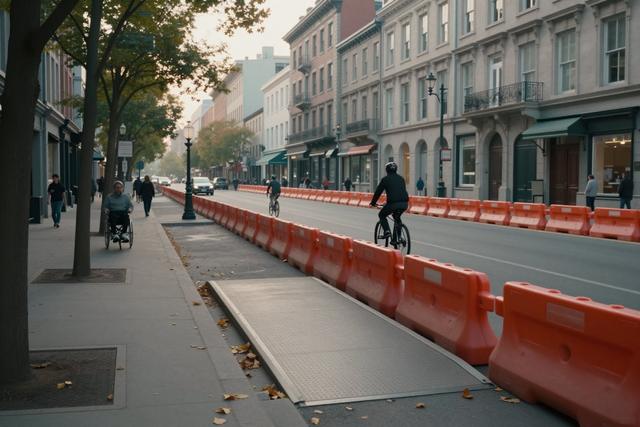
A stretch of Park Avenue between des Pins and Mont‑Royal avenues will be unavailable to regular traffic from September 5 to October 4, 2026, as the city prepares for the UCI Grand Prix Cycliste de Montréal and the upcoming Road World Championships. The closure, announced by the City of Montreal, covers the segment of the thoroughfare that normally serves commuters and local residents.
City officials indicate that alternative transit routes have been arranged to maintain access to the affected area. Adapted transit services, including wheelchair‑accessible buses, are scheduled to operate on nearby streets to reach destinations that would otherwise be served by the closed portion of Park Avenue. The municipality emphasizes that these measures are intended to keep mobility options open for all users during the period of the cycling events.
Mobility advocacy groups, however, have expressed concerns that the temporary reconfiguration may still pose challenges for individuals with reduced mobility. Representatives of the advocates argue that detours and the reliance on surrounding streets could increase travel times and limit convenient access to essential services, particularly for those who depend on adapted transportation.
The closure aligns with Montreal’s role as host for two high‑profile international cycling competitions. The UCI Grand Prix Cycliste de Montréal, a WorldTour race, and the Road World Championships are scheduled to take place within the same timeframe, necessitating a secure and uninterrupted course along Park Avenue. Organizers have coordinated with municipal authorities to ensure the race route meets international standards while minimizing disruption to the broader urban network.
The city’s transportation department has published detailed maps outlining the revised bus routes and pedestrian pathways. It also advises residents and visitors to plan trips accordingly and to use the designated alternative corridors. As the events approach, officials will monitor traffic flow and adjust services as needed to address any emerging accessibility issues.
The situation highlights the balance municipal leaders must strike between supporting major sporting events and maintaining equitable mobility for all citizens, particularly those requiring specialized transit solutions.